
SPVs
SPV for Late-Stage and Secondary Investments
SPV for Late-Stage and Secondary Investments
Addhyan Negi
·
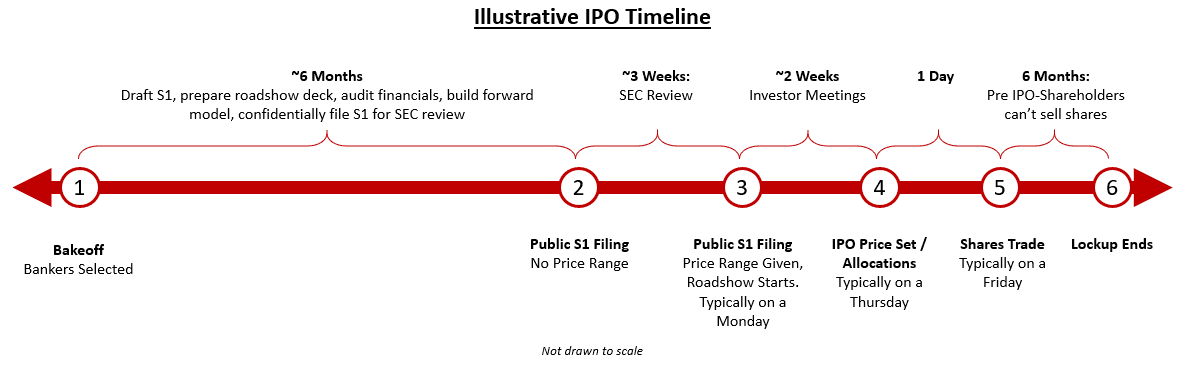
As private companies remain private for longer, late-stage and secondary investments have become a defining feature of modern private markets. Investors seeking exposure to mature, high-growth companies increasingly rely on Special Purpose Vehicles, or SPVs, to access these opportunities efficiently and at scale.
SPVs play a particularly important role in late-stage and secondary transactions because these deals introduce unique structural, legal, and operational challenges. This article explains how SPVs are used in these contexts, why they are often preferred over direct investments, and what investors should understand before participating.
Why Late-Stage and Secondary Deals Are Different
Late-stage and secondary investments differ fundamentally from early-stage venture rounds. In late-stage rounds, companies are often well-capitalized, highly selective about investors, and sensitive to cap table complexity. In secondary transactions, shares are acquired from existing shareholders rather than directly from the company, introducing additional legal and contractual considerations.
In both cases, companies typically want:
Minimal disruption to governance
Limited changes to shareholder composition
Clean cap tables with predictable ownership
SPVs help meet these requirements by consolidating many investors into a single investing entity.
What Is a Late-Stage SPV?
A late-stage SPV is a single-purpose investment vehicle created to invest in a mature private company, often at Series C or later. These SPVs are commonly used to participate in large funding rounds, pre-IPO financings, or structured growth investments.
Instead of admitting dozens of new shareholders, the company accepts the SPV as a single investor. The SPV aggregates capital from multiple investors and holds the shares on their behalf.
This approach benefits both sides. Investors gain access to late-stage opportunities that may otherwise be unavailable, while companies preserve cap table simplicity and governance control.
SPVs in Secondary Transactions
Secondary investments involve the purchase of existing shares from early employees, founders, or early investors. These transactions allow sellers to achieve liquidity without waiting for an IPO or acquisition.
SPVs are especially well-suited for secondaries because they can:
Aggregate buyer demand
Negotiate a single purchase agreement
Handle complex transfer mechanics
Manage post-transaction ownership cleanly
In many cases, secondary sellers prefer SPVs because they reduce administrative burden and ensure compliance with transfer restrictions.
How Capital Flows in Late-Stage and Secondary SPVs
The capital flow in a late-stage or secondary SPV follows a structured process.
Investors first commit capital to the SPV and execute subscription agreements. Once onboarding and compliance checks are complete, capital is wired into a dedicated SPV bank account. The SPV then deploys capital either directly into the company, in the case of a primary round, or to the selling shareholders in a secondary transaction.
In secondary deals, funds typically flow through escrow or controlled settlement mechanisms to ensure that shares and cash are exchanged simultaneously and in compliance with company transfer rules.
Governance and Control Considerations
Late-stage companies often impose stricter governance requirements than early-stage startups. Shareholder agreements may include information rights, transfer restrictions, and consent provisions that apply to SPVs.
SPV agreements must align with these requirements. The SPV manager typically exercises voting rights and represents the SPV in communications with the company. Investors usually do not interact directly with the company, which helps maintain a clean governance structure.
This centralized representation is one of the primary reasons companies prefer SPVs for late-stage participation.
Valuation and Pricing Dynamics
Late-stage and secondary investments are often priced differently from early-stage rounds. Valuations may be influenced by recent financings, internal company metrics, or negotiated discounts for lack of liquidity.
In secondary transactions, pricing reflects both company performance and seller-specific factors such as urgency, vesting schedules, and contractual restrictions. SPVs allow investors to participate in these opportunities without negotiating individual purchase agreements, which can be operationally complex.
Regulatory and Compliance Considerations
Late-stage and secondary SPVs must comply with securities regulations, including exemptions for private offerings and restrictions on resale. In the United States, most SPVs rely on Regulation D exemptions and are limited to accredited investors.
Secondary transactions also require careful handling of company consent rights, rights of first refusal, and co-sale provisions. Failure to comply with these requirements can invalidate transfers or create legal exposure.
Professional SPV management ensures that these compliance obligations are met throughout the transaction lifecycle.
Risk Profile of Late-Stage and Secondary SPVs
While late-stage investments are often perceived as lower risk than early-stage bets, they introduce their own complexities. Valuations are higher, upside may be more limited, and liquidity timing is still uncertain.
Secondary investments may also involve additional risks related to information asymmetry, transfer restrictions, and changes in company strategy after the transaction.
SPVs help manage these risks by standardizing documentation, centralizing decision-making, and maintaining clean records, but they do not eliminate investment risk entirely.
Exit Scenarios and Liquidity
Exits for late-stage and secondary SPVs typically occur through acquisitions, IPOs, or further secondary sales. When a liquidity event occurs, proceeds flow from the company or buyer to the SPV.
The SPV then distributes proceeds to investors according to the terms defined in its governing documents. Because late-stage companies are closer to liquidity, SPVs in this category may have shorter lifecycles than early-stage vehicles, although timelines are never guaranteed.
Why SPVs Are the Preferred Structure for Late-Stage Access
Late-stage companies are often oversubscribed and selective. They want sophisticated capital without operational friction. SPVs provide a solution that aligns investor access with company preferences.
For investors, SPVs offer:
Access to high-quality private companies
Controlled exposure to specific opportunities
Professional administration and reporting
Platforms like Allocations enable sponsors to structure and manage these SPVs efficiently while maintaining institutional standards.
The Growing Role of SPVs in Secondary Markets
As private markets mature, secondary liquidity is becoming a permanent feature rather than an exception. SPVs are emerging as the default infrastructure layer that supports this evolution.
They allow capital to move efficiently between buyers and sellers while preserving compliance, transparency, and governance. For late-stage and secondary investing, SPVs are no longer optional tools. They are foundational.
As private companies remain private for longer, late-stage and secondary investments have become a defining feature of modern private markets. Investors seeking exposure to mature, high-growth companies increasingly rely on Special Purpose Vehicles, or SPVs, to access these opportunities efficiently and at scale.
SPVs play a particularly important role in late-stage and secondary transactions because these deals introduce unique structural, legal, and operational challenges. This article explains how SPVs are used in these contexts, why they are often preferred over direct investments, and what investors should understand before participating.
Why Late-Stage and Secondary Deals Are Different
Late-stage and secondary investments differ fundamentally from early-stage venture rounds. In late-stage rounds, companies are often well-capitalized, highly selective about investors, and sensitive to cap table complexity. In secondary transactions, shares are acquired from existing shareholders rather than directly from the company, introducing additional legal and contractual considerations.
In both cases, companies typically want:
Minimal disruption to governance
Limited changes to shareholder composition
Clean cap tables with predictable ownership
SPVs help meet these requirements by consolidating many investors into a single investing entity.
What Is a Late-Stage SPV?
A late-stage SPV is a single-purpose investment vehicle created to invest in a mature private company, often at Series C or later. These SPVs are commonly used to participate in large funding rounds, pre-IPO financings, or structured growth investments.
Instead of admitting dozens of new shareholders, the company accepts the SPV as a single investor. The SPV aggregates capital from multiple investors and holds the shares on their behalf.
This approach benefits both sides. Investors gain access to late-stage opportunities that may otherwise be unavailable, while companies preserve cap table simplicity and governance control.
SPVs in Secondary Transactions
Secondary investments involve the purchase of existing shares from early employees, founders, or early investors. These transactions allow sellers to achieve liquidity without waiting for an IPO or acquisition.
SPVs are especially well-suited for secondaries because they can:
Aggregate buyer demand
Negotiate a single purchase agreement
Handle complex transfer mechanics
Manage post-transaction ownership cleanly
In many cases, secondary sellers prefer SPVs because they reduce administrative burden and ensure compliance with transfer restrictions.
How Capital Flows in Late-Stage and Secondary SPVs
The capital flow in a late-stage or secondary SPV follows a structured process.
Investors first commit capital to the SPV and execute subscription agreements. Once onboarding and compliance checks are complete, capital is wired into a dedicated SPV bank account. The SPV then deploys capital either directly into the company, in the case of a primary round, or to the selling shareholders in a secondary transaction.
In secondary deals, funds typically flow through escrow or controlled settlement mechanisms to ensure that shares and cash are exchanged simultaneously and in compliance with company transfer rules.
Governance and Control Considerations
Late-stage companies often impose stricter governance requirements than early-stage startups. Shareholder agreements may include information rights, transfer restrictions, and consent provisions that apply to SPVs.
SPV agreements must align with these requirements. The SPV manager typically exercises voting rights and represents the SPV in communications with the company. Investors usually do not interact directly with the company, which helps maintain a clean governance structure.
This centralized representation is one of the primary reasons companies prefer SPVs for late-stage participation.
Valuation and Pricing Dynamics
Late-stage and secondary investments are often priced differently from early-stage rounds. Valuations may be influenced by recent financings, internal company metrics, or negotiated discounts for lack of liquidity.
In secondary transactions, pricing reflects both company performance and seller-specific factors such as urgency, vesting schedules, and contractual restrictions. SPVs allow investors to participate in these opportunities without negotiating individual purchase agreements, which can be operationally complex.
Regulatory and Compliance Considerations
Late-stage and secondary SPVs must comply with securities regulations, including exemptions for private offerings and restrictions on resale. In the United States, most SPVs rely on Regulation D exemptions and are limited to accredited investors.
Secondary transactions also require careful handling of company consent rights, rights of first refusal, and co-sale provisions. Failure to comply with these requirements can invalidate transfers or create legal exposure.
Professional SPV management ensures that these compliance obligations are met throughout the transaction lifecycle.
Risk Profile of Late-Stage and Secondary SPVs
While late-stage investments are often perceived as lower risk than early-stage bets, they introduce their own complexities. Valuations are higher, upside may be more limited, and liquidity timing is still uncertain.
Secondary investments may also involve additional risks related to information asymmetry, transfer restrictions, and changes in company strategy after the transaction.
SPVs help manage these risks by standardizing documentation, centralizing decision-making, and maintaining clean records, but they do not eliminate investment risk entirely.
Exit Scenarios and Liquidity
Exits for late-stage and secondary SPVs typically occur through acquisitions, IPOs, or further secondary sales. When a liquidity event occurs, proceeds flow from the company or buyer to the SPV.
The SPV then distributes proceeds to investors according to the terms defined in its governing documents. Because late-stage companies are closer to liquidity, SPVs in this category may have shorter lifecycles than early-stage vehicles, although timelines are never guaranteed.
Why SPVs Are the Preferred Structure for Late-Stage Access
Late-stage companies are often oversubscribed and selective. They want sophisticated capital without operational friction. SPVs provide a solution that aligns investor access with company preferences.
For investors, SPVs offer:
Access to high-quality private companies
Controlled exposure to specific opportunities
Professional administration and reporting
Platforms like Allocations enable sponsors to structure and manage these SPVs efficiently while maintaining institutional standards.
The Growing Role of SPVs in Secondary Markets
As private markets mature, secondary liquidity is becoming a permanent feature rather than an exception. SPVs are emerging as the default infrastructure layer that supports this evolution.
They allow capital to move efficiently between buyers and sellers while preserving compliance, transparency, and governance. For late-stage and secondary investing, SPVs are no longer optional tools. They are foundational.

Addhyan Negi
Director of Marketing, Allocations

Start your next SPV
in 10 minutes
Start your next SPV in 10 minutes
Start your next SPV
in 10 minutes
Read related articles
Allocations secondary market is operated through Allocations Securities, LLC dba AllocationsX, member FINRA/SIPC. Check this firm on FINRA BrokerCheck. Allocations Securities, LLC is a wholly owned subsidiary of Allocations, Inc.
Copyright © Allocations Inc
Allocations secondary market is operated through Allocations Securities, LLC dba AllocationsX, member FINRA/SIPC. Check this firm on FINRA BrokerCheck. Allocations Securities, LLC is a wholly owned subsidiary of Allocations, Inc.
Copyright © Allocations Inc
Allocations secondary market is operated through Allocations Securities, LLC dba AllocationsX, member FINRA/SIPC. Check this firm on FINRA BrokerCheck. Allocations Securities, LLC is a wholly owned subsidiary of Allocations, Inc.
Copyright © Allocations Inc