
SPVs
What Is an SPV in Business? Examples
What Is an SPV in Business? Examples
Addhyan Negi
·
As private markets mature and capital flows become increasingly global, financial structuring has become just as important as the investment itself. One structure that consistently appears across venture capital, private equity, real estate, and alternative assets is the Special Purpose Vehicle (SPV).
Despite how frequently the term is used, SPVs are often misunderstood or oversimplified. For founders, investors, and operators, understanding how SPVs work—and why they are used—is critical to navigating modern capital markets effectively.
This article explores what an SPV is in business, walks through practical examples of SPV companies, and explains how SPVs function within private equity, with a focus on real-world application rather than theory.
What Is an SPV in Business?
An SPV (Special Purpose Vehicle) is a legally independent entity created for a specific, predefined objective. In business and finance, that objective is usually tied to a single transaction, investment, or asset. Unlike operating companies, SPVs are not built to grow, sell products, or hire teams. Their value lies in structure, not operations.
From a legal standpoint, an SPV is separate from its sponsor or parent entity. This separation is intentional. It ensures that the assets, liabilities, and obligations of the SPV remain isolated from other activities of the sponsor. If the SPV performs well, returns flow to its investors. If it fails, losses are contained within the vehicle itself.
This concept of ring-fencing is what makes SPVs so powerful and so widely used.
In business contexts, SPVs are commonly structured as:
Limited Liability Companies (LLCs)
Limited Partnerships (LPs)
Private limited companies
Trusts (in structured finance scenarios)
The legal form varies by jurisdiction, but the principle remains the same: one vehicle, one purpose.
After understanding this foundation, it becomes clear why SPVs have become standard infrastructure across private markets:
They provide clean ownership structures
They reduce legal and financial risk
They simplify investor management
They enable efficient capital pooling
SPVs are not loopholes or shortcuts; when structured correctly, they are conservative, transparent tools designed to bring order to complex transactions.
Why Businesses and Investors Use SPVs
As capital stacks grow more complex, businesses increasingly rely on SPVs to maintain clarity and control. Without SPVs, companies would be forced to manage fragmented ownership, tangled liabilities, and opaque reporting—all of which create friction and risk.
SPVs solve these problems by acting as containers for specific financial activities. Once capital, assets, and obligations are placed inside the container, everything becomes easier to manage, measure, and unwind.
After understanding the role SPVs play, their core advantages become evident:
Risk isolation, ensuring liabilities do not spill over into unrelated businesses or investments
Cap table simplicity, particularly important for startups and growth-stage companies
Regulatory clarity, especially in cross-border or multi-investor transactions
Operational efficiency, reducing legal, accounting, and reporting complexity
These benefits explain why SPVs are not limited to large institutions anymore. Today, they are used by startups, angel syndicates, family offices, independent sponsors, and global investment platforms alike.
What Is an Example of an SPV Company?
To understand SPVs beyond definitions, it’s important to look at how they operate in practice.
Example 1: Startup Investment SPV
Consider a late-stage startup raising capital from a large group of angel investors and strategic partners. While investor interest is strong, the company wants to avoid adding dozens of individual names to its cap table, which would complicate governance, future funding rounds, and potential exits.
In this scenario, an SPV is created specifically to invest in the startup.
The process typically works as follows. Individual investors commit capital into the SPV. The SPV, acting as a single entity, then invests directly into the startup. From the company’s perspective, it now has one shareholder instead of many. From the investors’ perspective, they retain economic exposure to the startup through their ownership in the SPV.
When the startup exits—through an acquisition or IPO—the proceeds flow from the company to the SPV and are then distributed to investors based on their ownership.
What’s important to note is that the SPV company itself does not operate, innovate, or generate revenue independently. Its sole purpose is to hold the investment and manage the associated financial flows.
Example 2: Real Estate SPV
Real estate is one of the most common and intuitive use cases for SPVs.
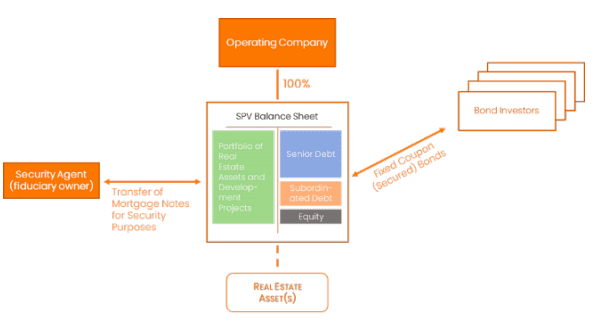
In a typical structure, one SPV is created to own a single property or development. The SPV holds the title, debt, leases, and operating agreements related to that asset. Rental income flows into the SPV, expenses are paid from it, and net profits are distributed to investors.
This structure ensures that each property’s risk and performance are isolated. If one property underperforms, it does not affect other assets owned by the same sponsor.
Because of this clarity, lenders, regulators, and investors almost always prefer SPV-based real estate ownership.
Example 3: Acquisition or Buyout SPV
In mergers and acquisitions, SPVs are frequently used to execute a single acquisition.
A sponsor forms an SPV, raises equity and debt into it, and uses that vehicle to acquire the target company. The acquired business becomes a subsidiary of the SPV, and all acquisition-related liabilities remain contained within that structure.
This approach provides flexibility, cleaner exit mechanics, and better downside protection for investors.
What Is an SPV in Private Equity?
In private equity, SPVs play a more strategic role. Rather than replacing funds entirely, they complement traditional fund structures by enabling deal-level precision.
A traditional private equity fund is a blind-pool vehicle. Investors commit capital without knowing exactly which assets will be acquired. Capital is deployed over several years at the discretion of the general partner.
An SPV, by contrast, is created for a single deal.
This distinction fundamentally changes the investment dynamic. Investors know exactly what asset they are backing, when capital will be deployed, and how returns will be generated.
After understanding this difference, the main private equity use cases for SPVs become clear.
Co-Investment SPVs
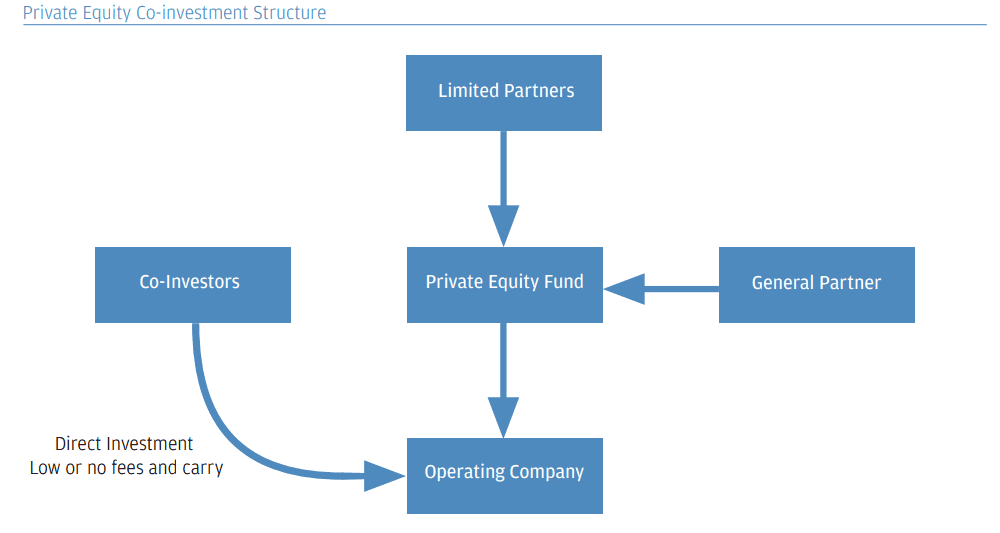
Private equity firms often encounter deals that exceed the capacity of their main fund or present strategic opportunities for select investors. In these cases, they create SPVs to allow limited partners, family offices, or strategic partners to co-invest alongside the fund.
The SPV invests in the same asset under the same or similar economic terms, without altering the core fund structure.
Deal-by-Deal SPVs
Independent sponsors and emerging fund managers frequently rely on SPVs instead of launching full funds. They source a specific acquisition, form an SPV, and raise capital only for that transaction.
This approach reduces overhead, increases transparency, and allows investors to be highly selective.
Continuation and Secondary SPVs
SPVs are also used when private equity firms want to hold assets longer than the original fund life or provide liquidity to existing investors. By transferring assets into a new SPV or continuation vehicle, firms can restructure ownership while maintaining operational continuity.
Operational Complexity and the Rise of SPV Platforms
While SPVs offer clarity and control, they also introduce operational challenges. Entity formation, investor onboarding, compliance, capital calls, distributions, and reporting can quickly become burdensome if handled manually.
This is where modern infrastructure platforms like Allocations have transformed the landscape.
Allocations provides institutional-grade SPV infrastructure that enables sponsors to create, manage, and scale SPVs without relying on fragmented legal and administrative workflows. By standardizing documentation, automating capital flows, and centralizing reporting, platforms like Allocations turn SPVs from bespoke legal projects into repeatable, scalable financial products.
Final Thoughts
SPVs are not just legal entities; they are foundational building blocks of modern private markets.
To summarize:
An SPV in business is a legally independent vehicle created for a single, defined financial purpose.
An SPV company example includes startup investment vehicles, real estate holding entities, and acquisition structures.
An SPV in private equity enables deal-level investing, co-investments, and capital efficiency beyond traditional fund models.
As private markets continue to grow and globalize, SPVs will only become more central. Understanding them is no longer optional—it is essential for anyone building, funding, or investing in private assets.
As private markets mature and capital flows become increasingly global, financial structuring has become just as important as the investment itself. One structure that consistently appears across venture capital, private equity, real estate, and alternative assets is the Special Purpose Vehicle (SPV).
Despite how frequently the term is used, SPVs are often misunderstood or oversimplified. For founders, investors, and operators, understanding how SPVs work—and why they are used—is critical to navigating modern capital markets effectively.
This article explores what an SPV is in business, walks through practical examples of SPV companies, and explains how SPVs function within private equity, with a focus on real-world application rather than theory.
What Is an SPV in Business?
An SPV (Special Purpose Vehicle) is a legally independent entity created for a specific, predefined objective. In business and finance, that objective is usually tied to a single transaction, investment, or asset. Unlike operating companies, SPVs are not built to grow, sell products, or hire teams. Their value lies in structure, not operations.
From a legal standpoint, an SPV is separate from its sponsor or parent entity. This separation is intentional. It ensures that the assets, liabilities, and obligations of the SPV remain isolated from other activities of the sponsor. If the SPV performs well, returns flow to its investors. If it fails, losses are contained within the vehicle itself.
This concept of ring-fencing is what makes SPVs so powerful and so widely used.
In business contexts, SPVs are commonly structured as:
Limited Liability Companies (LLCs)
Limited Partnerships (LPs)
Private limited companies
Trusts (in structured finance scenarios)
The legal form varies by jurisdiction, but the principle remains the same: one vehicle, one purpose.
After understanding this foundation, it becomes clear why SPVs have become standard infrastructure across private markets:
They provide clean ownership structures
They reduce legal and financial risk
They simplify investor management
They enable efficient capital pooling
SPVs are not loopholes or shortcuts; when structured correctly, they are conservative, transparent tools designed to bring order to complex transactions.
Why Businesses and Investors Use SPVs
As capital stacks grow more complex, businesses increasingly rely on SPVs to maintain clarity and control. Without SPVs, companies would be forced to manage fragmented ownership, tangled liabilities, and opaque reporting—all of which create friction and risk.
SPVs solve these problems by acting as containers for specific financial activities. Once capital, assets, and obligations are placed inside the container, everything becomes easier to manage, measure, and unwind.
After understanding the role SPVs play, their core advantages become evident:
Risk isolation, ensuring liabilities do not spill over into unrelated businesses or investments
Cap table simplicity, particularly important for startups and growth-stage companies
Regulatory clarity, especially in cross-border or multi-investor transactions
Operational efficiency, reducing legal, accounting, and reporting complexity
These benefits explain why SPVs are not limited to large institutions anymore. Today, they are used by startups, angel syndicates, family offices, independent sponsors, and global investment platforms alike.
What Is an Example of an SPV Company?
To understand SPVs beyond definitions, it’s important to look at how they operate in practice.
Example 1: Startup Investment SPV
Consider a late-stage startup raising capital from a large group of angel investors and strategic partners. While investor interest is strong, the company wants to avoid adding dozens of individual names to its cap table, which would complicate governance, future funding rounds, and potential exits.
In this scenario, an SPV is created specifically to invest in the startup.
The process typically works as follows. Individual investors commit capital into the SPV. The SPV, acting as a single entity, then invests directly into the startup. From the company’s perspective, it now has one shareholder instead of many. From the investors’ perspective, they retain economic exposure to the startup through their ownership in the SPV.
When the startup exits—through an acquisition or IPO—the proceeds flow from the company to the SPV and are then distributed to investors based on their ownership.
What’s important to note is that the SPV company itself does not operate, innovate, or generate revenue independently. Its sole purpose is to hold the investment and manage the associated financial flows.
Example 2: Real Estate SPV
Real estate is one of the most common and intuitive use cases for SPVs.
In a typical structure, one SPV is created to own a single property or development. The SPV holds the title, debt, leases, and operating agreements related to that asset. Rental income flows into the SPV, expenses are paid from it, and net profits are distributed to investors.
This structure ensures that each property’s risk and performance are isolated. If one property underperforms, it does not affect other assets owned by the same sponsor.
Because of this clarity, lenders, regulators, and investors almost always prefer SPV-based real estate ownership.
Example 3: Acquisition or Buyout SPV
In mergers and acquisitions, SPVs are frequently used to execute a single acquisition.
A sponsor forms an SPV, raises equity and debt into it, and uses that vehicle to acquire the target company. The acquired business becomes a subsidiary of the SPV, and all acquisition-related liabilities remain contained within that structure.
This approach provides flexibility, cleaner exit mechanics, and better downside protection for investors.
What Is an SPV in Private Equity?
In private equity, SPVs play a more strategic role. Rather than replacing funds entirely, they complement traditional fund structures by enabling deal-level precision.
A traditional private equity fund is a blind-pool vehicle. Investors commit capital without knowing exactly which assets will be acquired. Capital is deployed over several years at the discretion of the general partner.
An SPV, by contrast, is created for a single deal.
This distinction fundamentally changes the investment dynamic. Investors know exactly what asset they are backing, when capital will be deployed, and how returns will be generated.
After understanding this difference, the main private equity use cases for SPVs become clear.
Co-Investment SPVs
Private equity firms often encounter deals that exceed the capacity of their main fund or present strategic opportunities for select investors. In these cases, they create SPVs to allow limited partners, family offices, or strategic partners to co-invest alongside the fund.
The SPV invests in the same asset under the same or similar economic terms, without altering the core fund structure.
Deal-by-Deal SPVs
Independent sponsors and emerging fund managers frequently rely on SPVs instead of launching full funds. They source a specific acquisition, form an SPV, and raise capital only for that transaction.
This approach reduces overhead, increases transparency, and allows investors to be highly selective.
Continuation and Secondary SPVs
SPVs are also used when private equity firms want to hold assets longer than the original fund life or provide liquidity to existing investors. By transferring assets into a new SPV or continuation vehicle, firms can restructure ownership while maintaining operational continuity.
Operational Complexity and the Rise of SPV Platforms
While SPVs offer clarity and control, they also introduce operational challenges. Entity formation, investor onboarding, compliance, capital calls, distributions, and reporting can quickly become burdensome if handled manually.
This is where modern infrastructure platforms like Allocations have transformed the landscape.
Allocations provides institutional-grade SPV infrastructure that enables sponsors to create, manage, and scale SPVs without relying on fragmented legal and administrative workflows. By standardizing documentation, automating capital flows, and centralizing reporting, platforms like Allocations turn SPVs from bespoke legal projects into repeatable, scalable financial products.
Final Thoughts
SPVs are not just legal entities; they are foundational building blocks of modern private markets.
To summarize:
An SPV in business is a legally independent vehicle created for a single, defined financial purpose.
An SPV company example includes startup investment vehicles, real estate holding entities, and acquisition structures.
An SPV in private equity enables deal-level investing, co-investments, and capital efficiency beyond traditional fund models.
As private markets continue to grow and globalize, SPVs will only become more central. Understanding them is no longer optional—it is essential for anyone building, funding, or investing in private assets.

Addhyan Negi
Director of Marketing, Allocations

Start your next SPV
in 10 minutes
Start your next SPV in 10 minutes
Start your next SPV
in 10 minutes
Read related articles
Allocations secondary market is operated through Allocations Securities, LLC dba AllocationsX, member FINRA/SIPC. Check this firm on FINRA BrokerCheck. Allocations Securities, LLC is a wholly owned subsidiary of Allocations, Inc.
Copyright © Allocations Inc
Allocations secondary market is operated through Allocations Securities, LLC dba AllocationsX, member FINRA/SIPC. Check this firm on FINRA BrokerCheck. Allocations Securities, LLC is a wholly owned subsidiary of Allocations, Inc.
Copyright © Allocations Inc
Allocations secondary market is operated through Allocations Securities, LLC dba AllocationsX, member FINRA/SIPC. Check this firm on FINRA BrokerCheck. Allocations Securities, LLC is a wholly owned subsidiary of Allocations, Inc.
Copyright © Allocations Inc