Back

SPVs

SPV Syndicate Fundraising: How Syndicates Use Special Purpose Vehicles to Raise Capital Efficiently

SPV Syndicate Fundraising: How Syndicates Use Special Purpose Vehicles to Raise Capital Efficiently

SPV Syndicate Fundraising: How Syndicates Use Special Purpose Vehicles to Raise Capital Efficiently


SPV syndicate fundraising has become one of the most important mechanisms in modern private markets, particularly in venture capital, private equity co-investments, and real estate deals. As deal access becomes more competitive and investors seek greater transparency and control, syndicates backed by Special Purpose Vehicles (SPVs) are reshaping how capital is raised and deployed.

At its core, SPV syndicate fundraising combines two powerful ideas: syndication, where a lead investor brings together multiple participants around a single deal, and SPV structuring, which provides the legal and financial framework to pool that capital efficiently. This hybrid model allows investors to participate in high-quality private opportunities without the complexity of direct ownership or the rigidity of traditional funds.
https://static.wixstatic.com/media/d47da0_a34786302ca7402fa31d9905eec158c3~mv2.png/v1/fill/w_752%2Ch_940%2Cal_c%2Cq_90%2Cusm_0.66_1.00_0.01%2Cenc_avif%2Cquality_auto/d47da0_a34786302ca7402fa31d9905eec158c3~mv2.png

What Is SPV Syndicate Fundraising?

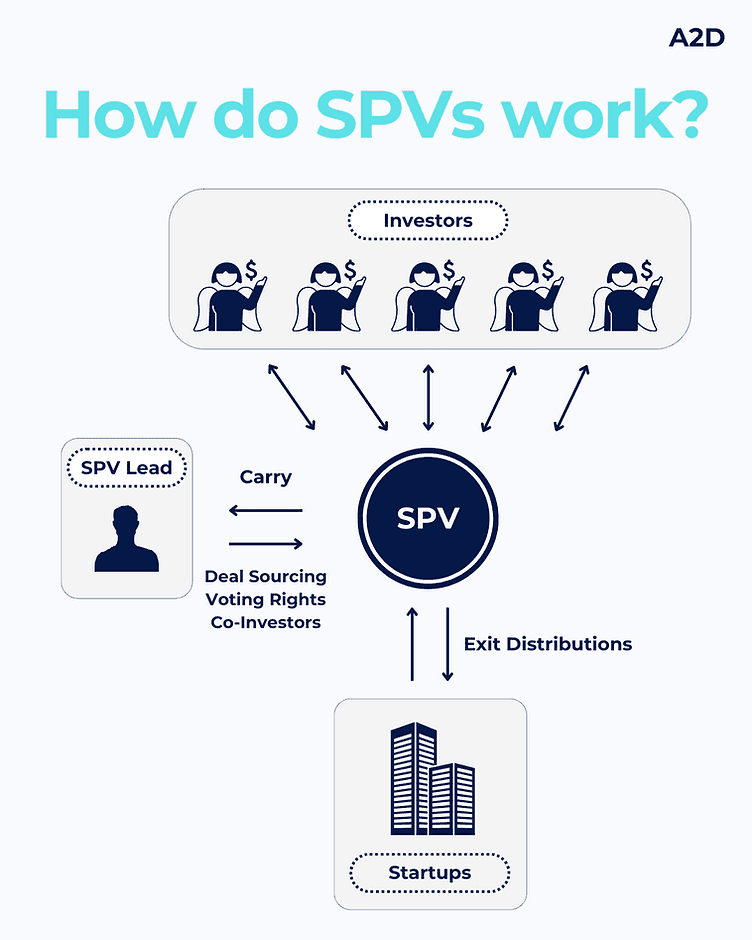
SPV syndicate fundraising refers to the process by which a lead investor (or syndicate lead) raises capital from multiple investors into a single SPV to execute one specific investment. The SPV acts as the legal wrapper that consolidates all syndicate participants into a single investing entity.

Rather than each investor negotiating directly with the target company or asset owner, the SPV appears as a single investor on the cap table or ownership register. Economically, each participant owns a proportional interest in the SPV, which in turn owns the underlying investment.

This structure allows syndicates to scale efficiently, enabling dozens—or even hundreds—of investors to participate in a deal without creating administrative or governance complexity for the underlying company.

Why SPV Syndicate Fundraising Is Growing Rapidly

The rise of SPV syndicate fundraising is driven by structural shifts in private markets.

First, access to high-quality private deals is increasingly relationship-driven. Syndicates led by experienced operators, angels, or fund managers often secure allocations that are unavailable to individual investors. The SPV enables these leads to aggregate capital quickly and professionally.

Second, investors want deal-by-deal choice. Rather than committing capital to a blind-pool fund, syndicate participants can selectively invest in opportunities that align with their risk tolerance, sector focus, and portfolio strategy.

Third, founders and asset owners prefer simplicity. An SPV-backed syndicate presents itself as a single investor, avoiding fragmented ownership and reducing long-term governance friction.

How SPV Syndicate Fundraising Works Step by Step

The SPV syndicate fundraising process typically begins with the syndicate lead sourcing a specific investment opportunity. This may be a startup funding round, a private equity co-investment, or a real estate transaction.

Once the lead secures preliminary terms, an SPV is formed specifically for that deal. The SPV’s legal documents define investor rights, economics, governance, and distribution mechanics.

The lead then opens the syndicate to investors. Participants review deal materials and commit capital through subscription agreements. Capital commitments are aggregated into the SPV until the target raise amount is reached.

After fundraising closes, the SPV executes the investment. From that point forward, all cash flows—whether dividends, interest, or exit proceeds—flow back into the SPV before being distributed to syndicate participants.

This process allows syndicates to raise capital quickly while maintaining institutional-grade structure.

Role of the Syndicate Lead

The syndicate lead plays a central role in SPV syndicate fundraising.

Unlike a traditional fund manager, the lead is typically focused on deal sourcing, diligence, and relationship management rather than ongoing portfolio construction. Their reputation, track record, and access are often the primary reasons investors participate in the syndicate.

In return, the lead may receive carried interest, a deal fee, or other performance-based compensation. This aligns incentives while avoiding the fixed management fees common in funds.

Because governance in SPVs is intentionally lightweight, trust in the syndicate lead is critical. Clear disclosure, alignment of incentives, and transparent communication are essential to maintaining credibility.

SPV Syndicate Fundraising vs Traditional Syndicates

Before SPVs became common, syndicates often relied on informal arrangements or direct investment structures. These approaches created significant challenges, including fragmented ownership, inconsistent documentation, and operational risk.

SPV syndicate fundraising professionalizes the syndicate model. The SPV standardizes investor onboarding, reporting, and distributions, while providing legal isolation and regulatory clarity.

This evolution has enabled syndicates to scale beyond small angel groups into institutional-quality investment vehicles capable of participating in large, competitive rounds.

SPV Syndicate Fundraising vs Fund Structures

Comparing SPV syndicate fundraising to traditional fund structures highlights important differences.

Funds raise capital upfront and deploy it across multiple investments at the manager’s discretion. Syndicate SPVs raise capital only after a specific deal is identified. This gives investors greater control and visibility but reduces diversification within each vehicle.

SPV syndicates are therefore best suited for high-conviction, opportunistic investments, while funds remain optimal for diversified, long-term strategies.

In practice, many investors use SPV syndicates as a complement to fund exposure rather than a replacement.

Investor Experience in SPV Syndicate Fundraising

From the investor’s perspective, SPV syndicate fundraising offers a more transparent and flexible experience.

Investors review a concrete opportunity with defined valuation, ownership structure, and exit scenarios. Reporting is straightforward, as performance is tied to a single asset.

However, this clarity comes with trade-offs. SPV syndicates concentrate risk in one deal, and liquidity is typically limited until an exit occurs. Investors must be comfortable with both the investment risk and the lead’s execution capability.

As a result, SPV syndicate fundraising is most attractive to investors who already have diversified portfolios and are seeking targeted exposure.

Economics and Fees in SPV Syndicate Fundraising

Fee structures in SPV syndicate fundraising are typically lighter than those of traditional funds.

Most syndicate SPVs do not charge annual management fees. Instead, economics often include a carried interest for the syndicate lead and reimbursement of administrative expenses. This aligns compensation with performance rather than capital raised.

Because syndicates are deal-specific, economics can vary widely depending on deal quality, lead reputation, and investor demand.

For investors, this often results in lower overall fees compared to fund investing, particularly for high-conviction opportunities.

Legal, Regulatory, and Compliance Considerations

SPV syndicate fundraising generally operates under private placement exemptions, limiting participation to accredited or professional investors. This framework balances capital formation efficiency with investor protection.

Jurisdictional choices affect tax treatment, reporting requirements, and cross-border participation. Proper structuring is essential to avoid regulatory risk that could undermine the syndicate’s effectiveness.

Well-run syndicates prioritize compliance, documentation, and transparency, recognizing that trust and professionalism are critical to long-term success.

Operational Complexity and the Role of Technology

Historically, running syndicates at scale was operationally difficult. Each SPV required bespoke legal work, accounting, and investor management.

Today, modern SPV platforms and fund administration tools are transforming SPV syndicate fundraising into a repeatable process. Automated onboarding, standardized documentation, and digital reporting reduce friction for both leads and investors.

This infrastructure shift is a major reason SPV syndicate fundraising has expanded rapidly across private markets.

SPV Syndicate Fundraising Across Asset Classes

SPV syndicate fundraising is most visible in venture capital, where angel syndicates aggregate capital into later-stage rounds. However, its use is expanding.

In private equity, syndicate SPVs enable co-investments alongside lead sponsors. In real estate, syndicate SPVs pool capital for single-asset acquisitions. In private credit, syndicates form SPVs to fund loan portfolios or structured deals.

This versatility underscores the adaptability of the SPV syndicate model.

Strategic Importance of SPV Syndicate Fundraising

SPV syndicate fundraising sits at the intersection of access, flexibility, and efficiency.

For syndicate leads, it enables scalable capital formation without the overhead of running a full fund. For investors, it provides curated access to deals with transparency and control. For founders and asset owners, it simplifies ownership and governance.

As private markets continue to grow, SPV syndicate fundraising is becoming a core pillar of modern capital formation.

Final Thoughts

SPV syndicate fundraising represents the professionalization of syndication. By combining trusted deal leads with institutional-grade SPV structures, it creates a powerful model for deal-based investing.

For investors and sponsors alike, understanding how SPV syndicate fundraising works—and when to use it—is essential for navigating today’s private markets. As flexibility and access become competitive advantages, SPV-backed syndicates are no longer fringe tools; they are foundational infrastructure.


SPV syndicate fundraising has become one of the most important mechanisms in modern private markets, particularly in venture capital, private equity co-investments, and real estate deals. As deal access becomes more competitive and investors seek greater transparency and control, syndicates backed by Special Purpose Vehicles (SPVs) are reshaping how capital is raised and deployed.

At its core, SPV syndicate fundraising combines two powerful ideas: syndication, where a lead investor brings together multiple participants around a single deal, and SPV structuring, which provides the legal and financial framework to pool that capital efficiently. This hybrid model allows investors to participate in high-quality private opportunities without the complexity of direct ownership or the rigidity of traditional funds.

https://static.wixstatic.com/media/d47da0_a34786302ca7402fa31d9905eec158c3~mv2.png/v1/fill/w_752%2Ch_940%2Cal_c%2Cq_90%2Cusm_0.66_1.00_0.01%2Cenc_avif%2Cquality_auto/d47da0_a34786302ca7402fa31d9905eec158c3~mv2.png

What Is SPV Syndicate Fundraising?

SPV syndicate fundraising refers to the process by which a lead investor (or syndicate lead) raises capital from multiple investors into a single SPV to execute one specific investment. The SPV acts as the legal wrapper that consolidates all syndicate participants into a single investing entity.

Rather than each investor negotiating directly with the target company or asset owner, the SPV appears as a single investor on the cap table or ownership register. Economically, each participant owns a proportional interest in the SPV, which in turn owns the underlying investment.

This structure allows syndicates to scale efficiently, enabling dozens—or even hundreds—of investors to participate in a deal without creating administrative or governance complexity for the underlying company.

Why SPV Syndicate Fundraising Is Growing Rapidly

The rise of SPV syndicate fundraising is driven by structural shifts in private markets.

First, access to high-quality private deals is increasingly relationship-driven. Syndicates led by experienced operators, angels, or fund managers often secure allocations that are unavailable to individual investors. The SPV enables these leads to aggregate capital quickly and professionally.

Second, investors want deal-by-deal choice. Rather than committing capital to a blind-pool fund, syndicate participants can selectively invest in opportunities that align with their risk tolerance, sector focus, and portfolio strategy.

Third, founders and asset owners prefer simplicity. An SPV-backed syndicate presents itself as a single investor, avoiding fragmented ownership and reducing long-term governance friction.

How SPV Syndicate Fundraising Works Step by Step

The SPV syndicate fundraising process typically begins with the syndicate lead sourcing a specific investment opportunity. This may be a startup funding round, a private equity co-investment, or a real estate transaction.

Once the lead secures preliminary terms, an SPV is formed specifically for that deal. The SPV’s legal documents define investor rights, economics, governance, and distribution mechanics.

The lead then opens the syndicate to investors. Participants review deal materials and commit capital through subscription agreements. Capital commitments are aggregated into the SPV until the target raise amount is reached.

After fundraising closes, the SPV executes the investment. From that point forward, all cash flows—whether dividends, interest, or exit proceeds—flow back into the SPV before being distributed to syndicate participants.

This process allows syndicates to raise capital quickly while maintaining institutional-grade structure.

Role of the Syndicate Lead

The syndicate lead plays a central role in SPV syndicate fundraising.

Unlike a traditional fund manager, the lead is typically focused on deal sourcing, diligence, and relationship management rather than ongoing portfolio construction. Their reputation, track record, and access are often the primary reasons investors participate in the syndicate.

In return, the lead may receive carried interest, a deal fee, or other performance-based compensation. This aligns incentives while avoiding the fixed management fees common in funds.

Because governance in SPVs is intentionally lightweight, trust in the syndicate lead is critical. Clear disclosure, alignment of incentives, and transparent communication are essential to maintaining credibility.

SPV Syndicate Fundraising vs Traditional Syndicates

Before SPVs became common, syndicates often relied on informal arrangements or direct investment structures. These approaches created significant challenges, including fragmented ownership, inconsistent documentation, and operational risk.

SPV syndicate fundraising professionalizes the syndicate model. The SPV standardizes investor onboarding, reporting, and distributions, while providing legal isolation and regulatory clarity.

This evolution has enabled syndicates to scale beyond small angel groups into institutional-quality investment vehicles capable of participating in large, competitive rounds.

SPV Syndicate Fundraising vs Fund Structures

Comparing SPV syndicate fundraising to traditional fund structures highlights important differences.

Funds raise capital upfront and deploy it across multiple investments at the manager’s discretion. Syndicate SPVs raise capital only after a specific deal is identified. This gives investors greater control and visibility but reduces diversification within each vehicle.

SPV syndicates are therefore best suited for high-conviction, opportunistic investments, while funds remain optimal for diversified, long-term strategies.

In practice, many investors use SPV syndicates as a complement to fund exposure rather than a replacement.

Investor Experience in SPV Syndicate Fundraising

From the investor’s perspective, SPV syndicate fundraising offers a more transparent and flexible experience.

Investors review a concrete opportunity with defined valuation, ownership structure, and exit scenarios. Reporting is straightforward, as performance is tied to a single asset.

However, this clarity comes with trade-offs. SPV syndicates concentrate risk in one deal, and liquidity is typically limited until an exit occurs. Investors must be comfortable with both the investment risk and the lead’s execution capability.

As a result, SPV syndicate fundraising is most attractive to investors who already have diversified portfolios and are seeking targeted exposure.

Economics and Fees in SPV Syndicate Fundraising

Fee structures in SPV syndicate fundraising are typically lighter than those of traditional funds.

Most syndicate SPVs do not charge annual management fees. Instead, economics often include a carried interest for the syndicate lead and reimbursement of administrative expenses. This aligns compensation with performance rather than capital raised.

Because syndicates are deal-specific, economics can vary widely depending on deal quality, lead reputation, and investor demand.

For investors, this often results in lower overall fees compared to fund investing, particularly for high-conviction opportunities.

Legal, Regulatory, and Compliance Considerations

SPV syndicate fundraising generally operates under private placement exemptions, limiting participation to accredited or professional investors. This framework balances capital formation efficiency with investor protection.

Jurisdictional choices affect tax treatment, reporting requirements, and cross-border participation. Proper structuring is essential to avoid regulatory risk that could undermine the syndicate’s effectiveness.

Well-run syndicates prioritize compliance, documentation, and transparency, recognizing that trust and professionalism are critical to long-term success.

Operational Complexity and the Role of Technology

Historically, running syndicates at scale was operationally difficult. Each SPV required bespoke legal work, accounting, and investor management.

Today, modern SPV platforms and fund administration tools are transforming SPV syndicate fundraising into a repeatable process. Automated onboarding, standardized documentation, and digital reporting reduce friction for both leads and investors.

This infrastructure shift is a major reason SPV syndicate fundraising has expanded rapidly across private markets.

SPV Syndicate Fundraising Across Asset Classes

SPV syndicate fundraising is most visible in venture capital, where angel syndicates aggregate capital into later-stage rounds. However, its use is expanding.

In private equity, syndicate SPVs enable co-investments alongside lead sponsors. In real estate, syndicate SPVs pool capital for single-asset acquisitions. In private credit, syndicates form SPVs to fund loan portfolios or structured deals.

This versatility underscores the adaptability of the SPV syndicate model.

Strategic Importance of SPV Syndicate Fundraising

SPV syndicate fundraising sits at the intersection of access, flexibility, and efficiency.

For syndicate leads, it enables scalable capital formation without the overhead of running a full fund. For investors, it provides curated access to deals with transparency and control. For founders and asset owners, it simplifies ownership and governance.

As private markets continue to grow, SPV syndicate fundraising is becoming a core pillar of modern capital formation.

Final Thoughts

SPV syndicate fundraising represents the professionalization of syndication. By combining trusted deal leads with institutional-grade SPV structures, it creates a powerful model for deal-based investing.

For investors and sponsors alike, understanding how SPV syndicate fundraising works—and when to use it—is essential for navigating today’s private markets. As flexibility and access become competitive advantages, SPV-backed syndicates are no longer fringe tools; they are foundational infrastructure.


SPV syndicate fundraising has become one of the most important mechanisms in modern private markets, particularly in venture capital, private equity co-investments, and real estate deals. As deal access becomes more competitive and investors seek greater transparency and control, syndicates backed by Special Purpose Vehicles (SPVs) are reshaping how capital is raised and deployed.

At its core, SPV syndicate fundraising combines two powerful ideas: syndication, where a lead investor brings together multiple participants around a single deal, and SPV structuring, which provides the legal and financial framework to pool that capital efficiently. This hybrid model allows investors to participate in high-quality private opportunities without the complexity of direct ownership or the rigidity of traditional funds.

https://static.wixstatic.com/media/d47da0_a34786302ca7402fa31d9905eec158c3~mv2.png/v1/fill/w_752%2Ch_940%2Cal_c%2Cq_90%2Cusm_0.66_1.00_0.01%2Cenc_avif%2Cquality_auto/d47da0_a34786302ca7402fa31d9905eec158c3~mv2.png

What Is SPV Syndicate Fundraising?

SPV syndicate fundraising refers to the process by which a lead investor (or syndicate lead) raises capital from multiple investors into a single SPV to execute one specific investment. The SPV acts as the legal wrapper that consolidates all syndicate participants into a single investing entity.

Rather than each investor negotiating directly with the target company or asset owner, the SPV appears as a single investor on the cap table or ownership register. Economically, each participant owns a proportional interest in the SPV, which in turn owns the underlying investment.

This structure allows syndicates to scale efficiently, enabling dozens—or even hundreds—of investors to participate in a deal without creating administrative or governance complexity for the underlying company.

Why SPV Syndicate Fundraising Is Growing Rapidly

The rise of SPV syndicate fundraising is driven by structural shifts in private markets.

First, access to high-quality private deals is increasingly relationship-driven. Syndicates led by experienced operators, angels, or fund managers often secure allocations that are unavailable to individual investors. The SPV enables these leads to aggregate capital quickly and professionally.

Second, investors want deal-by-deal choice. Rather than committing capital to a blind-pool fund, syndicate participants can selectively invest in opportunities that align with their risk tolerance, sector focus, and portfolio strategy.

Third, founders and asset owners prefer simplicity. An SPV-backed syndicate presents itself as a single investor, avoiding fragmented ownership and reducing long-term governance friction.

How SPV Syndicate Fundraising Works Step by Step

The SPV syndicate fundraising process typically begins with the syndicate lead sourcing a specific investment opportunity. This may be a startup funding round, a private equity co-investment, or a real estate transaction.

Once the lead secures preliminary terms, an SPV is formed specifically for that deal. The SPV’s legal documents define investor rights, economics, governance, and distribution mechanics.

The lead then opens the syndicate to investors. Participants review deal materials and commit capital through subscription agreements. Capital commitments are aggregated into the SPV until the target raise amount is reached.

After fundraising closes, the SPV executes the investment. From that point forward, all cash flows—whether dividends, interest, or exit proceeds—flow back into the SPV before being distributed to syndicate participants.

This process allows syndicates to raise capital quickly while maintaining institutional-grade structure.

Role of the Syndicate Lead

The syndicate lead plays a central role in SPV syndicate fundraising.

Unlike a traditional fund manager, the lead is typically focused on deal sourcing, diligence, and relationship management rather than ongoing portfolio construction. Their reputation, track record, and access are often the primary reasons investors participate in the syndicate.

In return, the lead may receive carried interest, a deal fee, or other performance-based compensation. This aligns incentives while avoiding the fixed management fees common in funds.

Because governance in SPVs is intentionally lightweight, trust in the syndicate lead is critical. Clear disclosure, alignment of incentives, and transparent communication are essential to maintaining credibility.

SPV Syndicate Fundraising vs Traditional Syndicates

Before SPVs became common, syndicates often relied on informal arrangements or direct investment structures. These approaches created significant challenges, including fragmented ownership, inconsistent documentation, and operational risk.

SPV syndicate fundraising professionalizes the syndicate model. The SPV standardizes investor onboarding, reporting, and distributions, while providing legal isolation and regulatory clarity.

This evolution has enabled syndicates to scale beyond small angel groups into institutional-quality investment vehicles capable of participating in large, competitive rounds.

SPV Syndicate Fundraising vs Fund Structures

Comparing SPV syndicate fundraising to traditional fund structures highlights important differences.

Funds raise capital upfront and deploy it across multiple investments at the manager’s discretion. Syndicate SPVs raise capital only after a specific deal is identified. This gives investors greater control and visibility but reduces diversification within each vehicle.

SPV syndicates are therefore best suited for high-conviction, opportunistic investments, while funds remain optimal for diversified, long-term strategies.

In practice, many investors use SPV syndicates as a complement to fund exposure rather than a replacement.

Investor Experience in SPV Syndicate Fundraising

From the investor’s perspective, SPV syndicate fundraising offers a more transparent and flexible experience.

Investors review a concrete opportunity with defined valuation, ownership structure, and exit scenarios. Reporting is straightforward, as performance is tied to a single asset.

However, this clarity comes with trade-offs. SPV syndicates concentrate risk in one deal, and liquidity is typically limited until an exit occurs. Investors must be comfortable with both the investment risk and the lead’s execution capability.

As a result, SPV syndicate fundraising is most attractive to investors who already have diversified portfolios and are seeking targeted exposure.

Economics and Fees in SPV Syndicate Fundraising

Fee structures in SPV syndicate fundraising are typically lighter than those of traditional funds.

Most syndicate SPVs do not charge annual management fees. Instead, economics often include a carried interest for the syndicate lead and reimbursement of administrative expenses. This aligns compensation with performance rather than capital raised.

Because syndicates are deal-specific, economics can vary widely depending on deal quality, lead reputation, and investor demand.

For investors, this often results in lower overall fees compared to fund investing, particularly for high-conviction opportunities.

Legal, Regulatory, and Compliance Considerations

SPV syndicate fundraising generally operates under private placement exemptions, limiting participation to accredited or professional investors. This framework balances capital formation efficiency with investor protection.

Jurisdictional choices affect tax treatment, reporting requirements, and cross-border participation. Proper structuring is essential to avoid regulatory risk that could undermine the syndicate’s effectiveness.

Well-run syndicates prioritize compliance, documentation, and transparency, recognizing that trust and professionalism are critical to long-term success.

Operational Complexity and the Role of Technology

Historically, running syndicates at scale was operationally difficult. Each SPV required bespoke legal work, accounting, and investor management.

Today, modern SPV platforms and fund administration tools are transforming SPV syndicate fundraising into a repeatable process. Automated onboarding, standardized documentation, and digital reporting reduce friction for both leads and investors.

This infrastructure shift is a major reason SPV syndicate fundraising has expanded rapidly across private markets.

SPV Syndicate Fundraising Across Asset Classes

SPV syndicate fundraising is most visible in venture capital, where angel syndicates aggregate capital into later-stage rounds. However, its use is expanding.

In private equity, syndicate SPVs enable co-investments alongside lead sponsors. In real estate, syndicate SPVs pool capital for single-asset acquisitions. In private credit, syndicates form SPVs to fund loan portfolios or structured deals.

This versatility underscores the adaptability of the SPV syndicate model.

Strategic Importance of SPV Syndicate Fundraising

SPV syndicate fundraising sits at the intersection of access, flexibility, and efficiency.

For syndicate leads, it enables scalable capital formation without the overhead of running a full fund. For investors, it provides curated access to deals with transparency and control. For founders and asset owners, it simplifies ownership and governance.

As private markets continue to grow, SPV syndicate fundraising is becoming a core pillar of modern capital formation.

Final Thoughts

SPV syndicate fundraising represents the professionalization of syndication. By combining trusted deal leads with institutional-grade SPV structures, it creates a powerful model for deal-based investing.

For investors and sponsors alike, understanding how SPV syndicate fundraising works—and when to use it—is essential for navigating today’s private markets. As flexibility and access become competitive advantages, SPV-backed syndicates are no longer fringe tools; they are foundational infrastructure.

Take the next step with Allocations

Take the next step with Allocations

Take the next step with Allocations

You may also like

You may also like

SPVs

Top Upcoming IPOs in 2026 : Allocations Research

Top Upcoming IPOs in 2026 : Allocations Research

Read more

SPVs

Why Digital Asset Treasury Companies (DATCOs) Will Lead 2026

Why Digital Asset Treasury Companies (DATCOs) Will Lead 2026

Read more

Company

Revolutionizing Fund Management: The Evolution of Allocations.com in 2025

Revolutionizing Fund Management: The Evolution of Allocations.com in 2025

Read more

SPVs

How do you structure an SPV into another SPV?

How do you structure an SPV into another SPV?

Read more

SPVs

What are secondary SPVs?

What are secondary SPVs?

Read more

Fund Manager

Watch out school VC: the podcasters are coming

Watch out school VC: the podcasters are coming

Read more

Fund Manager

Fast, hassle-free SPVs mean more time for due diligence

Fast, hassle-free SPVs mean more time for due diligence

Read more

Analytics

The rise of opportunity funds and why fund managers might need to start using them

The rise of opportunity funds and why fund managers might need to start using them

Read more

Analytics

Move as fast as founders do with instant SPVs

Move as fast as founders do with instant SPVs

Read more

Fund Manager

4 practical things LPs and fund managers need to know for tax season

4 practical things LPs and fund managers need to know for tax season

Read more

Fund Manager

Keep up with these 4 VC firms focused on crypto and blockchain

Keep up with these 4 VC firms focused on crypto and blockchain

Read more

Fund Manager

Fill your moleskine journals with tips from these 5 timeless angel investing blogs

Fill your moleskine journals with tips from these 5 timeless angel investing blogs

Read more

Company

Allocations partners with angeles investors to support hispanic and latinx founders and investors

Allocations partners with angeles investors to support hispanic and latinx founders and investors

Read more

SPVs

SPV in Venture Capital: How SPVs Are Used to Invest in Startups

SPV in Venture Capital: How SPVs Are Used to Invest in Startups

Read more

SPVs

Why Allocations Is the Best Fund Admin?

Why Allocations Is the Best Fund Admin?

Read more

SPVs

SPV Syndicate Fundraising: How Syndicates Use Special Purpose Vehicles to Raise Capital Efficiently

SPV Syndicate Fundraising: How Syndicates Use Special Purpose Vehicles to Raise Capital Efficiently

Read more

SPVs

SPV Fundraising: How Special Purpose Vehicles Are Transforming Deal-Based Capital Formation

SPV Fundraising: How Special Purpose Vehicles Are Transforming Deal-Based Capital Formation

Read more

SPVs

SPV Capital Raising: How SPVs Enable Efficient Deal-Based Funding

SPV Capital Raising: How SPVs Enable Efficient Deal-Based Funding

Read more

SPVs

SPV vs Fund Structure: Choosing the Right Investment Vehicle in Private Markets

SPV vs Fund Structure: Choosing the Right Investment Vehicle in Private Markets

Read more

SPVs

SPV Investment Structure: How Special Purpose Vehicles Are Designed for Modern Investing

SPV Investment Structure: How Special Purpose Vehicles Are Designed for Modern Investing

Read more

SPVs

SPV Financing: A Complete Guide to Structure, Use Cases, and Investment Strategy

SPV Financing: A Complete Guide to Structure, Use Cases, and Investment Strategy

Read more

SPVs

Real Estate SPVs: A Modern Framework for Structured Property Investing

Real Estate SPVs: A Modern Framework for Structured Property Investing

Read more

SPVs

ADGM Private Company Limited by Shares: Allocations Research

ADGM Private Company Limited by Shares: Allocations Research

Read more

SPVs

Offshore Company vs Onshore Company: Key Differences Explained

Offshore Company vs Onshore Company: Key Differences Explained

Read more

SPVs

What Is Offshore? Meaning, Uses, and How Offshore Structures Work in 2026

What Is Offshore? Meaning, Uses, and How Offshore Structures Work in 2026

Read more

SPVs

The Best Fund Admins for Emerging VCs (2026)

The Best Fund Admins for Emerging VCs (2026)

Read more

SPVs

How to Choose the Right Jurisdiction for an Offshore Company

How to Choose the Right Jurisdiction for an Offshore Company

Read more

SPVs

How to Start an Offshore Company: Allocations Guide 2026

How to Start an Offshore Company: Allocations Guide 2026

Read more

SPVs

Types of Special Purpose Vehicles (SPVs) and How Allocations Powers Them

Types of Special Purpose Vehicles (SPVs) and How Allocations Powers Them

Read more

SPVs

SPV vs Fund: Choose better with Allocation

SPV vs Fund: Choose better with Allocation

Read more

SPVs

AngelList SPV vs Allocations SPV: Best SPV Platform for Fund Managers

AngelList SPV vs Allocations SPV: Best SPV Platform for Fund Managers

Read more

SPVs

Sydecar SPV vs Allocations SPV: What to chose in 2026

Sydecar SPV vs Allocations SPV: What to chose in 2026

Read more

SPVs

Best SPV Platform in the United States (USA) in 2026

Best SPV Platform in the United States (USA) in 2026

Read more

SPVs

Best SPV Platform in the United Arab Emirates (UAE) in 2026

Best SPV Platform in the United Arab Emirates (UAE) in 2026

Read more

SPVs

Carta Pricing vs Allocations Pricing (2026)

Carta Pricing vs Allocations Pricing (2026)

Read more

SPVs

AngelList Pricing vs Allocations Pricing (2026)

AngelList Pricing vs Allocations Pricing (2026)

Read more

SPVs

How to Invest into Real Estate with Allocations: A Beginner's Guide to SPV Funds

How to Invest into Real Estate with Allocations: A Beginner's Guide to SPV Funds

Read more

SPVs

Best Fund Admin & Reporting Tools for VC Investors in 2026: Allocations

Best Fund Admin & Reporting Tools for VC Investors in 2026: Allocations

Read more

SPVs

Convertible Notes: Early Stage Investing with Allocations

Convertible Notes: Early Stage Investing with Allocations

Read more

SPVs

Top 5 Value for Money SPV Platforms

Top 5 Value for Money SPV Platforms

Read more

SPVs

How SPV Pricing Works on Allocations

How SPV Pricing Works on Allocations

Read more

SPVs

Best Fund Admin in 2026: Why Allocations Leads

Best Fund Admin in 2026: Why Allocations Leads

Read more

SPVs

How Allocations Is Changing SPV & Fund Formation

How Allocations Is Changing SPV & Fund Formation

Read more

SPVs

What Makes Allocations the First Choice for Fund Administrators

What Makes Allocations the First Choice for Fund Administrators

Read more

SPVs

Why Choose Allocations for SPVs and Funds in 2026

Why Choose Allocations for SPVs and Funds in 2026

Read more

SPVs

Best SPV Platforms in 2026: Why Allocations

Best SPV Platforms in 2026: Why Allocations

Read more

SPVs

SPV & Fund Pricing in 2026: Allocations

SPV & Fund Pricing in 2026: Allocations

Read more

SPVs

Can I Have Non-U.S. Investors? A Practical Guide for SPVs and Fund Managers

Can I Have Non-U.S. Investors? A Practical Guide for SPVs and Fund Managers

Read more

SPVs

What Do I Need to Do Every Year as a Fund Manager?

What Do I Need to Do Every Year as a Fund Manager?

Read more

SPVs

Do I Need an ERA? A Practical Guide for Fund Managers

Do I Need an ERA? A Practical Guide for Fund Managers

Read more

SPVs

How Much Does It Cost to Create an SPV in 2026?

How Much Does It Cost to Create an SPV in 2026?

Read more

SPVs

Special Purpose Vehicle (SPV): Meaning in Finance, Banking and Real-World Examples

Special Purpose Vehicle (SPV): Meaning in Finance, Banking and Real-World Examples

Read more

SPVs

Top Fund Administration Platforms in 2026

Top Fund Administration Platforms in 2026

Read more

SPVs

Migrate Your Fund to Allocations: A Complete Guide for Fund Managers

Migrate Your Fund to Allocations: A Complete Guide for Fund Managers

Read more

SPVs

What Does “Offshore” Means?

What Does “Offshore” Means?

Read more

SPVs

Comparing 506b vs 506c for Private Fundraising

Comparing 506b vs 506c for Private Fundraising

Read more

SPVs

LLP vs LLC | Choose business structure with Allocations

LLP vs LLC | Choose business structure with Allocations

Read more

SPVs

SPV Meaning in Finance: Complete Guide to Special Purpose Vehicles (2026)

SPV Meaning in Finance: Complete Guide to Special Purpose Vehicles (2026)

Read more

SPVs

The Best AngelList Alternatives in 2026 (Detailed Comparison)

The Best AngelList Alternatives in 2026 (Detailed Comparison)

Read more

SPVs

Understanding Special Purpose Vehicles (SPVs)

Understanding Special Purpose Vehicles (SPVs)

Read more

SPVs

Special Purpose Vehicle (SPV): What It Is and Why Investors Use It

Special Purpose Vehicle (SPV): What It Is and Why Investors Use It

Read more

SPVs

Who Typically Uses SPVs?

Who Typically Uses SPVs?

Read more

SPVs

Understanding SPVs in the Context of Private Equity

Understanding SPVs in the Context of Private Equity

Read more

SPVs

Why Use an SPV for Investment?

Why Use an SPV for Investment?

Read more

SPVs

SPV for Late-Stage and Secondary Investments

SPV for Late-Stage and Secondary Investments

Read more

SPVs

SPV Investment Structures: How Money Flows from Investors to Startups

SPV Investment Structures: How Money Flows from Investors to Startups

Read more

SPVs

SPV Management 101: What Happens After the Deal Closes

SPV Management 101: What Happens After the Deal Closes

Read more

SPVs

SPV in Venture Capital vs Traditional VC Funds: What Investors Need to Know

SPV in Venture Capital vs Traditional VC Funds: What Investors Need to Know

Read more

SPVs

SPV Structures in 2026: How Special Purpose Vehicles Are Evolving in Private Markets

SPV Structures in 2026: How Special Purpose Vehicles Are Evolving in Private Markets

Read more

SPVs

Real Estate SPV: A Complete Guide to Structuring Property Investments with Allocations

Real Estate SPV: A Complete Guide to Structuring Property Investments with Allocations

Read more

SPVs

Best SPV Platform in 2026: Features, Pricing, Compliance & How to Choose

Best SPV Platform in 2026: Features, Pricing, Compliance & How to Choose

Read more

SPVs

Top SPV Platforms in 2026: A Complete Comparison

Top SPV Platforms in 2026: A Complete Comparison

Read more

SPVs

SPV Structure and Governance: Who Controls What?

SPV Structure and Governance: Who Controls What?

Read more

SPVs

SPV Structure Explained: How SPVs Work for Private Investments

SPV Structure Explained: How SPVs Work for Private Investments

Read more

SPVs

Why Special Purpose Vehicles (SPVs) Are Becoming Essential in Modern Investing

Why Special Purpose Vehicles (SPVs) Are Becoming Essential in Modern Investing

Read more

SPVs

Understanding SPV Structures

Understanding SPV Structures

Read more

SPVs

Inside DATCOs: The Rise of Digital Asset Treasury Companies | Allocations

Inside DATCOs: The Rise of Digital Asset Treasury Companies | Allocations

Read more

SPVs

DATCO Stock Performance vs Bitcoin Price: Where to Invest in 2026

DATCO Stock Performance vs Bitcoin Price: Where to Invest in 2026

Read more

SPVs

Private Markets Aren’t Broken, They’re Just Waiting for Better Tools

Private Markets Aren’t Broken, They’re Just Waiting for Better Tools

Read more

SPVs

Digital Asset Treasury Companies: The DATCO Era Begins | Allocations

Digital Asset Treasury Companies: The DATCO Era Begins | Allocations

Read more

SPVs

How Allocations Redefines SPVs, Fund Formation, and Fund Management Software for Today’s Investment Managers

How Allocations Redefines SPVs, Fund Formation, and Fund Management Software for Today’s Investment Managers

Read more

SPVs

How VCs Are Scaling Trust, Not Just Capital

How VCs Are Scaling Trust, Not Just Capital

Read more

SPVs

Digital Asset Treasury Companies (DATCOs) vs Bitcoin ETFs: What’s the Difference?

Digital Asset Treasury Companies (DATCOs) vs Bitcoin ETFs: What’s the Difference?

Read more

SPVs

The 10-Minute Fund: What Instant Fund Formation Really Means

The 10-Minute Fund: What Instant Fund Formation Really Means

Read more

SPVs

Allocation IRR: Measuring Returns in Private Market Deals

Allocation IRR: Measuring Returns in Private Market Deals

Read more

SPVs

How Much Does It Cost to Start an SPV in 2025?

How Much Does It Cost to Start an SPV in 2025?

Read more

SPVs

Allocations Pricing Explained: Transparent, Flat-Fee Fund Administration for SPVs and Funds

Allocations Pricing Explained: Transparent, Flat-Fee Fund Administration for SPVs and Funds

Read more

SPVs

Private Equity SPVs: How Allocations Automates Fund Formation for Modern Investors

Private Equity SPVs: How Allocations Automates Fund Formation for Modern Investors

Read more

SPVs

From Term Sheet to Close: How Automated Deal Execution Platforms Speed Up Venture Investing

From Term Sheet to Close: How Automated Deal Execution Platforms Speed Up Venture Investing

Read more

SPVs

Why Modern Fund Managers Need Better Infrastructure

Why Modern Fund Managers Need Better Infrastructure

Read more

SPVs

AngelList vs Sydecar vs Allocations: The 2025 SPV Platform Showdown

AngelList vs Sydecar vs Allocations: The 2025 SPV Platform Showdown

Read more

SPVs

Fund Setup Software: Building Your First Fund With Allocations

Fund Setup Software: Building Your First Fund With Allocations

Read more

SPVs

Understanding 506(b) Funds: How Private Offerings Stay Compliant

Understanding 506(b) Funds: How Private Offerings Stay Compliant

Read more

SPVs

Allocations: The Complete Guide to Modern Fund Management

Allocations: The Complete Guide to Modern Fund Management

Read more

SPVs

Emerging Managers 101: Why SPVs Are the Easiest Way to Start Raising Capital

Emerging Managers 101: Why SPVs Are the Easiest Way to Start Raising Capital

Read more

SPVs

Asset Allocation Strategies for Modern Portfolios in 2025 ft. Allocations

Asset Allocation Strategies for Modern Portfolios in 2025 ft. Allocations

Read more

SPVs

Deal Allocation Tools: How to Streamline Investor Access to Opportunities

Deal Allocation Tools: How to Streamline Investor Access to Opportunities

Read more

SPVs

SPV Fees Explained: What Sponsors and Investors Should Know

SPV Fees Explained: What Sponsors and Investors Should Know

Read more

SPVs

How to Set Up an SPV: Step-by-Step Guide for Sponsors and Investors

How to Set Up an SPV: Step-by-Step Guide for Sponsors and Investors

Read more

SPVs

Why Delaware for SPVs? Investor Trust, Legal Clarity, Faster Closes

Why Delaware for SPVs? Investor Trust, Legal Clarity, Faster Closes

Read more

SPVs

Best SPV Platform in 2025? Features, Pricing, and How to Choose

Best SPV Platform in 2025? Features, Pricing, and How to Choose

Read more

SPVs

SPV Exit Strategies: What Happens When the Deal Closes

SPV Exit Strategies: What Happens When the Deal Closes

Read more

SPVs

Side Letters in SPVs: What You Need to Know

Side Letters in SPVs: What You Need to Know

Read more

SPVs

SPV K-1 Tax Reporting: What Sponsors and Investors Need to Know (2025 Guide)

SPV K-1 Tax Reporting: What Sponsors and Investors Need to Know (2025 Guide)

Read more

SPVs

What Does an SPV Company Do? (2025 Guide)

What Does an SPV Company Do? (2025 Guide)

Read more

SPVs

Real Estate SPV vs LLC: Which Is Better for Property Investment?

Real Estate SPV vs LLC: Which Is Better for Property Investment?

Read more

SPVs

SPV Tax Reporting: A Complete Guide for Sponsors and Investors

SPV Tax Reporting: A Complete Guide for Sponsors and Investors

Read more

SPVs

The Role of Allocations in Modern Asset Management

The Role of Allocations in Modern Asset Management

Read more

SPVs

Form D & Blue Sky Law Compliance for SPVs: What Sponsors Need to Know

Form D & Blue Sky Law Compliance for SPVs: What Sponsors Need to Know

Read more

SPVs

SPV Company vs Fund: Which Is Right for Your Deal?

SPV Company vs Fund: Which Is Right for Your Deal?

Read more

SPVs

SPV Platform: The Complete 2025 Guide (ft. Allocations)

SPV Platform: The Complete 2025 Guide (ft. Allocations)

Read more

SPVs

How to Choose the Best SPV Platform: A 15-Point Buyer’s Checklist

How to Choose the Best SPV Platform: A 15-Point Buyer’s Checklist

Read more

Fund Manager

What is an SPV? The Definitive Guide to Special Purpose Vehicles

What is an SPV? The Definitive Guide to Special Purpose Vehicles

Read more

Fund Manager

5 best books to read If you’re forging a path in VC

5 best books to read If you’re forging a path in VC

Read more

Investor Spotlight

Investor spotlight: Alex Fisher

Investor spotlight: Alex Fisher

Read more

SPVs

6 unique use cases for SPVs

6 unique use cases for SPVs

Read more

Market Trends

The SPV ecosystem democratizing alternative investments

The SPV ecosystem democratizing alternative investments

Read more

Company

How to write a stellar investor update

How to write a stellar investor update

Read more

Analytics

What’s going on here? 1 in 10 US households now qualify as accredited investors

What’s going on here? 1 in 10 US households now qualify as accredited investors

Read more

Market Trends

SPVs by sector

SPVs by sector

Read more

Market Trends

5 Benefits of a hybrid SPV + fund strategy

5 Benefits of a hybrid SPV + fund strategy

Read more

Products

What is the difference between 506b and 506c funds?

What is the difference between 506b and 506c funds?

Read more

Fund Manager

Why Allocations is the best choice for fast moving fund managers

Why Allocations is the best choice for fast moving fund managers

Read more

Fund Manager

When should fund managers use a fund vs an SPV?

When should fund managers use a fund vs an SPV?

Read more

Fund Manager

10 best practices for first-time fund managers

10 best practices for first-time fund managers

Read more

Analytics

Bitcoin ETFs and 2 other crypto trends to watch in 2022

Bitcoin ETFs and 2 other crypto trends to watch in 2022

Read more

Market Trends

Private market trends: where are fund managers looking in 2022?

Private market trends: where are fund managers looking in 2022?

Read more

Fund Manager

5 female VCs on the rise in 2022

5 female VCs on the rise in 2022

Read more

Analytics

The new competitive edge for VCs and fund managers

The new competitive edge for VCs and fund managers

Read more

Analytics

4 trends in M&A to watch in 2022 (Plus 1 more that might surprise you)

4 trends in M&A to watch in 2022 (Plus 1 more that might surprise you)

Read more

Investor Spotlight

Investor spotlight: Olga Yermolenko

Investor spotlight: Olga Yermolenko

Read more

Analytics

3 stats that show the democratization of VC in 2021

3 stats that show the democratization of VC in 2021

Read more

SOCIAL MEDIA

Allocations secondary market is operated through Allocations Securities, LLC dba AllocationsX, member FINRA/SIPC. To check this firm on BrokerCheck, click on the following link: here. The main FINRA website can be accessed through this link: here. Allocations Securities, LLC is a wholly owned subsidiary of Allocations, Inc.

Copyright © Allocations Inc

SOCIAL MEDIA

Allocations secondary market is operated through Allocations Securities, LLC dba AllocationsX, member FINRA/SIPC. To check this firm on BrokerCheck, click on the following link: here. The main FINRA website can be accessed through this link: here. Allocations Securities, LLC is a wholly owned subsidiary of Allocations, Inc.

Copyright © Allocations Inc

SOCIAL MEDIA

Allocations secondary market is operated through Allocations Securities, LLC dba AllocationsX, member FINRA/SIPC. To check this firm on BrokerCheck, click on the following link: here. The main FINRA website can be accessed through this link: here. Allocations Securities, LLC is a wholly owned subsidiary of Allocations, Inc.

Copyright © Allocations Inc
