Back

SPVs

Special Purpose Vehicle (SPV): Meaning in Finance, Banking and Real-World Examples

Special Purpose Vehicle (SPV): Meaning in Finance, Banking and Real-World Examples

Special Purpose Vehicle (SPV): Meaning in Finance, Banking and Real-World Examples

In the world of modern finance, complex investments and large capital transactions rarely happen directly. Instead, they are structured through carefully designed legal entities that protect investors, isolate risk, and simplify execution. One of the most widely used structures for this purpose is the Special Purpose Vehicle (SPV).

From venture capital and private equity to banking, real estate, and structured finance, SPVs have become a foundational tool. Understanding SPV meaning in finance, what is SPV in banking, how an SPV company works, and the different types of SPVs is essential for fund managers, investors, and financial professionals operating in private markets today.

This guide by Allocations breaks down SPVs in a practical, easy-to-understand way—without legal jargon.

SPV Meaning in Finance: What Is a Special Purpose Vehicle?

A Special Purpose Vehicle (SPV) is a legally separate entity created for a specific and limited objective. Unlike operating companies, an SPV exists to hold a particular asset, execute a single transaction, or manage a defined financial risk.

In finance, the core idea behind an SPV is risk isolation. Because the SPV is legally independent from its parent or sponsor, any liabilities or financial distress remain contained within the SPV itself. This makes SPVs especially valuable in high-value investments where investors want clarity, transparency, and protection.

An SPV may be structured as:

  • A private limited company

  • A limited partnership

  • An LLP or trust, depending on jurisdiction

Once its purpose is fulfilled, the SPV is often dissolved.

What Is an SPV Company and Why Is It Created?

An SPV company is formed just like a normal business entity, but with restricted activities written into its governing documents. This ensures the SPV cannot take on unrelated business risks.

For example, if a group of investors wants to invest in a single startup or acquire one property, creating an SPV company allows them to:

  • Pool capital efficiently

  • Hold the asset under one legal entity

  • Simplify ownership and reporting

  • Protect investors from external liabilities

The SPV company becomes the only entity exposed to the risks of that investment, not the investors individually and not the sponsoring firm.

In private markets, platforms like Allocations are increasingly used to create and manage SPV companies digitally, reducing legal friction and administrative overhead.

Special Purpose Vehicle Example: How SPVs Work in Practice

To fully understand SPVs, it helps to look at real-world special purpose vehicle examples.

Consider a venture capital scenario. A lead investor wants to invest in a promising startup but also wants to bring along several angel investors. Instead of having each investor invest directly, an SPV is formed. All investors invest into the SPV, and the SPV makes a single investment into the startup. The startup sees only one name on its cap table, while investors hold proportional ownership in the SPV.

In real estate, developers often create a separate SPV for each property. Rental income flows into the SPV, expenses and debt are handled within it, and investors receive returns without exposure to the developer’s other projects.

In private equity, acquisition SPVs are created to purchase companies, allowing debt and operational risk to remain isolated at the transaction level.

What Is SPV in Banking?

The use of SPVs in banking is significantly different from their use in venture capital or private equity. To understand what is SPV in banking, we need to look at securitization and risk transfer.

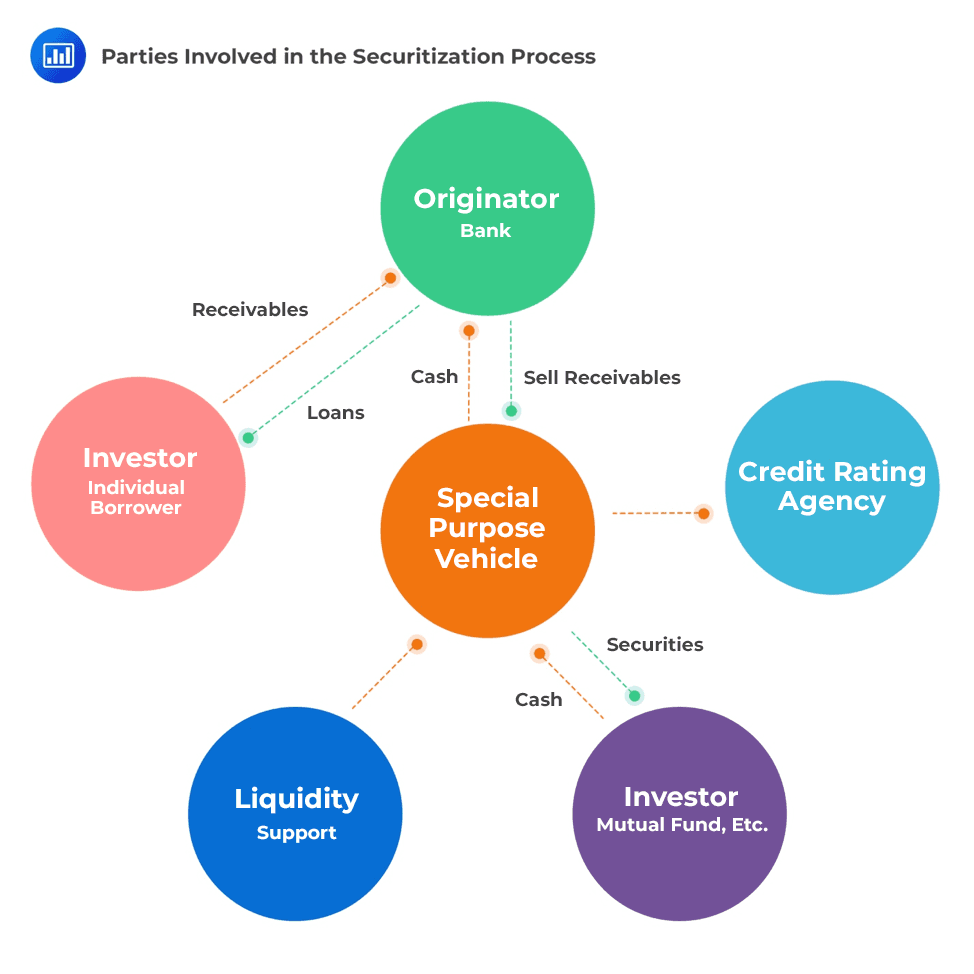
Banks regularly hold large volumes of loans such as home loans, auto loans, or credit card receivables. Holding these loans on the balance sheet ties up capital and increases regulatory requirements. To solve this, banks transfer these assets to an SPV.

The SPV then issues securities backed by the cash flows of those loans. Investors buy these securities, and the bank receives immediate liquidity. This structure allows banks to:

  • Improve capital efficiency

  • Reduce balance sheet risk

  • Increase lending capacity

This is how asset-backed securities (ABS) and mortgage-backed securities (MBS) are created.

Understanding SPV Loans

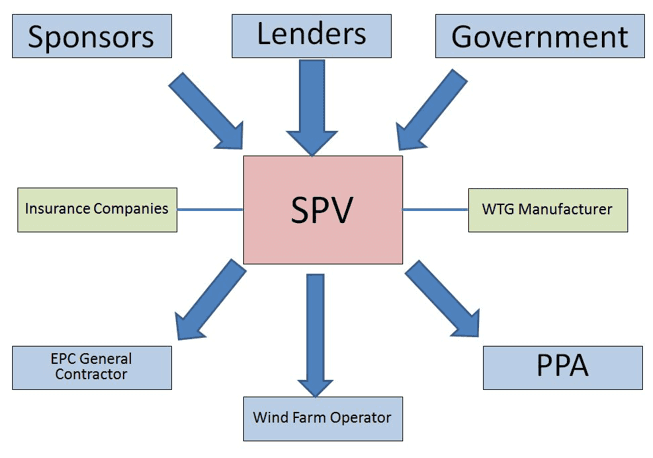
An SPV loan refers to debt raised directly by the SPV, rather than by its sponsor or parent company. These loans are typically non-recourse or limited-recourse, meaning lenders rely primarily on the SPV’s assets and cash flows for repayment.

SPV loans are common in:

  • Infrastructure projects

  • Renewable energy projects

  • Real estate developments

  • Large acquisitions

For example, a solar power plant may be owned by an SPV that takes a loan to finance construction. The loan is repaid using revenue generated from selling electricity, not from the parent company’s balance sheet.

This structure protects sponsors while giving lenders clear visibility into repayment sources.

Types of SPV Explained in Detail
https://sp-ao.shortpixel.ai/client/to_auto%2Cq_lossless%2Cret_img%2Cw_653%2Ch_458/https%3A//financialmodellingpodcast.com/wp-content/uploads/2023/08/Structure.pnghttps://analystprep.com/cfa-level-1-exam/wp-content/uploads/2019/09/securitization_process.png

There are several types of SPVs, each designed for a specific financial use case.

Investment SPVs are widely used in venture capital and angel syndicates to invest in a single company or asset.

Securitization SPVs are common in banking and structured finance, holding receivables and issuing tradable securities.

Project finance SPVs are created to own and operate infrastructure projects such as roads, power plants, or airports.

Real estate SPVs hold individual properties or portfolios, making ownership, taxation, and financing more efficient.

Synthetic SPVs are used in advanced financial engineering to transfer risk using derivatives rather than physical asset transfers.

Why SPVs Are Essential in Modern Finance

SPVs exist because they solve real problems. They create clarity between ownership and risk, simplify investment structures, and provide confidence to investors and regulators.

For fund managers and syndicates, SPVs enable faster deal execution without launching a full fund. For banks, they improve capital efficiency. For investors, they offer transparency and protection.

Today, SPVs are no longer reserved for large institutions. With modern fund infrastructure platforms like Allocations, setting up and operating SPVs has become faster, more compliant, and globally scalable.

Final Thoughts

Understanding SPV meaning in finance, what is SPV in banking, SPV loans, SPV companies, and the various types of SPVs is critical for anyone participating in private capital markets. SPVs are not loopholes or accounting tricks—they are essential tools that enable capital formation while managing risk responsibly.

As private markets continue to grow, SPVs will remain the backbone of structured finance, investment syndication, and asset ownership worldwide.

Frequently Asked Questions (FAQs) About Special Purpose Vehicles (SPVs)

1. What is a Special Purpose Vehicle (SPV)?

A Special Purpose Vehicle (SPV) is a legally separate entity created to carry out a specific financial or business objective. It is commonly used to hold a single asset, execute one investment, or isolate financial risk from a parent company or investors.

In finance, SPVs are designed to be bankruptcy-remote, meaning if the parent company faces financial trouble, the SPV’s assets and obligations remain protected. This makes SPVs a preferred structure in venture capital, private equity, banking, real estate, and structured finance.

2. What is the meaning of SPV in finance?

The SPV meaning in finance refers to an entity created to ring-fence risk and assets for a defined purpose. Financial institutions, investors, and fund managers use SPVs to:

  • Pool investor capital

  • Hold investments or receivables

  • Raise debt independently

  • Improve transparency and governance

SPVs allow financial transactions to be structured efficiently while protecting stakeholders from unrelated liabilities.

3. What is an SPV company?

An SPV company is a corporate entity incorporated solely to serve the SPV’s purpose. While it looks like a regular company on paper, its activities are strictly limited by legal agreements.

An SPV company typically:

  • Holds one asset or investment

  • Has predefined operating restrictions

  • Exists for a limited duration

  • Is dissolved after completing its objective

SPV companies are widely used in private investments because they simplify ownership, compliance, and reporting.

4. What is SPV in banking?

SPV in banking refers to the use of special purpose vehicles to manage risk, liquidity, and regulatory capital. Banks commonly use SPVs in securitization transactions.

In this structure:

  • A bank transfers loans or receivables to an SPV

  • The SPV issues securities backed by those assets

  • Investors purchase these securities

  • The bank receives liquidity and reduces balance-sheet exposure

This allows banks to lend more efficiently while maintaining regulatory compliance.

5. Why do banks use SPVs instead of holding assets directly?

Banks use SPVs because holding large volumes of loans directly increases:

  • Capital requirements

  • Balance-sheet risk

  • Regulatory scrutiny

By transferring assets to an SPV, banks can:

  • Free up capital

  • Improve liquidity ratios

  • Reduce concentration risk

  • Continue originating new loans

SPVs play a critical role in modern banking systems worldwide.

6. What is an SPV loan?

An SPV loan is debt raised directly by the SPV rather than by its parent company or sponsors. These loans are typically non-recourse or limited-recourse, meaning lenders rely on the SPV’s assets and cash flows for repayment.

SPV loans are commonly used in:

  • Infrastructure projects

  • Renewable energy

  • Real estate developments

  • Project finance

This structure protects sponsors while giving lenders clarity on repayment sources.

7. What are the different types of SPVs?

There are several types of SPVs, each serving a specific purpose:

  • Investment SPVs – Used for single-company or single-asset investments

  • Securitization SPVs – Used by banks to issue asset-backed securities

  • Project finance SPVs – Used for infrastructure and energy projects

  • Real estate SPVs – Used to own individual properties or portfolios

  • Synthetic SPVs – Used to transfer financial risk using derivatives

Each type is designed to isolate risk and improve financial efficiency.

8. Can individuals invest through an SPV?

Yes, individuals frequently invest through SPVs, especially in:

  • Angel syndicates

  • Startup investments

  • Private equity deals

  • Real estate opportunities

Investing through an SPV allows individuals to participate in private deals while benefiting from professional structuring, simplified documentation, and better risk management.

9. How is an SPV different from a fund?

An SPV and a fund serve different purposes:

An SPV is created for one specific investment or transaction, while a fund is designed to make multiple investments over time. SPVs are usually cheaper, faster to set up, and easier to manage, making them ideal for deal-by-deal investing.

Funds, on the other hand, involve ongoing compliance, portfolio management, and regulatory obligations.

10. Are SPVs legal and regulated?

Yes, SPVs are fully legal and widely regulated across jurisdictions. They are commonly used by banks, investment firms, and governments.

However, SPVs must comply with:

  • Corporate laws

  • Securities regulations

  • Tax requirements

  • Anti-money laundering (AML) rules

Modern platforms like Allocations help ensure SPVs are structured and managed in a compliant manner.

11. What are the advantages of using an SPV?

The key advantages of SPVs include:

  • Risk isolation

  • Investor protection

  • Cleaner accounting

  • Simplified ownership

  • Easier fundraising

  • Transaction-level transparency

These benefits make SPVs a preferred structure in private markets.

12. Are there any risks associated with SPVs?

While SPVs are powerful tools, they do carry risks if not structured correctly. Poor governance, lack of transparency, or regulatory non-compliance can create issues.

This is why professional administration, proper documentation, and ongoing compliance are essential when setting up and managing SPVs.

13. How long does an SPV typically exist?

Most SPVs are temporary and exist only for the duration of the investment or project. Once the asset is sold or the objective is completed, the SPV is liquidated or dissolved.

Some SPVs, such as real estate holding vehicles, may exist for longer periods depending on the investment horizon.

14. How does Allocations help with SPVs?

Allocations provides end-to-end infrastructure to:

  • Create SPVs quickly

  • Onboard investors digitally

  • Manage capital calls and distributions

  • Handle compliance and reporting

  • Scale from SPVs to full funds

This allows fund managers and syndicates to focus on investing rather than operations.

15. Who should consider using an SPV?

SPVs are ideal for:

  • Angel investors

  • Syndicate leads

  • Venture capital managers

  • Private equity firms

  • Real estate investors

  • Infrastructure sponsors

Anyone looking to structure a single investment efficiently and professionally should consider using an SPV.


In the world of modern finance, complex investments and large capital transactions rarely happen directly. Instead, they are structured through carefully designed legal entities that protect investors, isolate risk, and simplify execution. One of the most widely used structures for this purpose is the Special Purpose Vehicle (SPV).

From venture capital and private equity to banking, real estate, and structured finance, SPVs have become a foundational tool. Understanding SPV meaning in finance, what is SPV in banking, how an SPV company works, and the different types of SPVs is essential for fund managers, investors, and financial professionals operating in private markets today.

This guide by Allocations breaks down SPVs in a practical, easy-to-understand way—without legal jargon.

SPV Meaning in Finance: What Is a Special Purpose Vehicle?

A Special Purpose Vehicle (SPV) is a legally separate entity created for a specific and limited objective. Unlike operating companies, an SPV exists to hold a particular asset, execute a single transaction, or manage a defined financial risk.

In finance, the core idea behind an SPV is risk isolation. Because the SPV is legally independent from its parent or sponsor, any liabilities or financial distress remain contained within the SPV itself. This makes SPVs especially valuable in high-value investments where investors want clarity, transparency, and protection.

An SPV may be structured as:

  • A private limited company

  • A limited partnership

  • An LLP or trust, depending on jurisdiction

Once its purpose is fulfilled, the SPV is often dissolved.

What Is an SPV Company and Why Is It Created?

An SPV company is formed just like a normal business entity, but with restricted activities written into its governing documents. This ensures the SPV cannot take on unrelated business risks.

For example, if a group of investors wants to invest in a single startup or acquire one property, creating an SPV company allows them to:

  • Pool capital efficiently

  • Hold the asset under one legal entity

  • Simplify ownership and reporting

  • Protect investors from external liabilities

The SPV company becomes the only entity exposed to the risks of that investment, not the investors individually and not the sponsoring firm.

In private markets, platforms like Allocations are increasingly used to create and manage SPV companies digitally, reducing legal friction and administrative overhead.

Special Purpose Vehicle Example: How SPVs Work in Practice

To fully understand SPVs, it helps to look at real-world special purpose vehicle examples.

Consider a venture capital scenario. A lead investor wants to invest in a promising startup but also wants to bring along several angel investors. Instead of having each investor invest directly, an SPV is formed. All investors invest into the SPV, and the SPV makes a single investment into the startup. The startup sees only one name on its cap table, while investors hold proportional ownership in the SPV.

In real estate, developers often create a separate SPV for each property. Rental income flows into the SPV, expenses and debt are handled within it, and investors receive returns without exposure to the developer’s other projects.

In private equity, acquisition SPVs are created to purchase companies, allowing debt and operational risk to remain isolated at the transaction level.

What Is SPV in Banking?

The use of SPVs in banking is significantly different from their use in venture capital or private equity. To understand what is SPV in banking, we need to look at securitization and risk transfer.

Banks regularly hold large volumes of loans such as home loans, auto loans, or credit card receivables. Holding these loans on the balance sheet ties up capital and increases regulatory requirements. To solve this, banks transfer these assets to an SPV.

The SPV then issues securities backed by the cash flows of those loans. Investors buy these securities, and the bank receives immediate liquidity. This structure allows banks to:

  • Improve capital efficiency

  • Reduce balance sheet risk

  • Increase lending capacity

This is how asset-backed securities (ABS) and mortgage-backed securities (MBS) are created.

Understanding SPV Loans

An SPV loan refers to debt raised directly by the SPV, rather than by its sponsor or parent company. These loans are typically non-recourse or limited-recourse, meaning lenders rely primarily on the SPV’s assets and cash flows for repayment.

SPV loans are common in:

  • Infrastructure projects

  • Renewable energy projects

  • Real estate developments

  • Large acquisitions

For example, a solar power plant may be owned by an SPV that takes a loan to finance construction. The loan is repaid using revenue generated from selling electricity, not from the parent company’s balance sheet.

This structure protects sponsors while giving lenders clear visibility into repayment sources.

Types of SPV Explained in Detail
https://sp-ao.shortpixel.ai/client/to_auto%2Cq_lossless%2Cret_img%2Cw_653%2Ch_458/https%3A//financialmodellingpodcast.com/wp-content/uploads/2023/08/Structure.pnghttps://analystprep.com/cfa-level-1-exam/wp-content/uploads/2019/09/securitization_process.png

There are several types of SPVs, each designed for a specific financial use case.

Investment SPVs are widely used in venture capital and angel syndicates to invest in a single company or asset.

Securitization SPVs are common in banking and structured finance, holding receivables and issuing tradable securities.

Project finance SPVs are created to own and operate infrastructure projects such as roads, power plants, or airports.

Real estate SPVs hold individual properties or portfolios, making ownership, taxation, and financing more efficient.

Synthetic SPVs are used in advanced financial engineering to transfer risk using derivatives rather than physical asset transfers.

Why SPVs Are Essential in Modern Finance

SPVs exist because they solve real problems. They create clarity between ownership and risk, simplify investment structures, and provide confidence to investors and regulators.

For fund managers and syndicates, SPVs enable faster deal execution without launching a full fund. For banks, they improve capital efficiency. For investors, they offer transparency and protection.

Today, SPVs are no longer reserved for large institutions. With modern fund infrastructure platforms like Allocations, setting up and operating SPVs has become faster, more compliant, and globally scalable.

Final Thoughts

Understanding SPV meaning in finance, what is SPV in banking, SPV loans, SPV companies, and the various types of SPVs is critical for anyone participating in private capital markets. SPVs are not loopholes or accounting tricks—they are essential tools that enable capital formation while managing risk responsibly.

As private markets continue to grow, SPVs will remain the backbone of structured finance, investment syndication, and asset ownership worldwide.

Frequently Asked Questions (FAQs) About Special Purpose Vehicles (SPVs)

1. What is a Special Purpose Vehicle (SPV)?

A Special Purpose Vehicle (SPV) is a legally separate entity created to carry out a specific financial or business objective. It is commonly used to hold a single asset, execute one investment, or isolate financial risk from a parent company or investors.

In finance, SPVs are designed to be bankruptcy-remote, meaning if the parent company faces financial trouble, the SPV’s assets and obligations remain protected. This makes SPVs a preferred structure in venture capital, private equity, banking, real estate, and structured finance.

2. What is the meaning of SPV in finance?

The SPV meaning in finance refers to an entity created to ring-fence risk and assets for a defined purpose. Financial institutions, investors, and fund managers use SPVs to:

  • Pool investor capital

  • Hold investments or receivables

  • Raise debt independently

  • Improve transparency and governance

SPVs allow financial transactions to be structured efficiently while protecting stakeholders from unrelated liabilities.

3. What is an SPV company?

An SPV company is a corporate entity incorporated solely to serve the SPV’s purpose. While it looks like a regular company on paper, its activities are strictly limited by legal agreements.

An SPV company typically:

  • Holds one asset or investment

  • Has predefined operating restrictions

  • Exists for a limited duration

  • Is dissolved after completing its objective

SPV companies are widely used in private investments because they simplify ownership, compliance, and reporting.

4. What is SPV in banking?

SPV in banking refers to the use of special purpose vehicles to manage risk, liquidity, and regulatory capital. Banks commonly use SPVs in securitization transactions.

In this structure:

  • A bank transfers loans or receivables to an SPV

  • The SPV issues securities backed by those assets

  • Investors purchase these securities

  • The bank receives liquidity and reduces balance-sheet exposure

This allows banks to lend more efficiently while maintaining regulatory compliance.

5. Why do banks use SPVs instead of holding assets directly?

Banks use SPVs because holding large volumes of loans directly increases:

  • Capital requirements

  • Balance-sheet risk

  • Regulatory scrutiny

By transferring assets to an SPV, banks can:

  • Free up capital

  • Improve liquidity ratios

  • Reduce concentration risk

  • Continue originating new loans

SPVs play a critical role in modern banking systems worldwide.

6. What is an SPV loan?

An SPV loan is debt raised directly by the SPV rather than by its parent company or sponsors. These loans are typically non-recourse or limited-recourse, meaning lenders rely on the SPV’s assets and cash flows for repayment.

SPV loans are commonly used in:

  • Infrastructure projects

  • Renewable energy

  • Real estate developments

  • Project finance

This structure protects sponsors while giving lenders clarity on repayment sources.

7. What are the different types of SPVs?

There are several types of SPVs, each serving a specific purpose:

  • Investment SPVs – Used for single-company or single-asset investments

  • Securitization SPVs – Used by banks to issue asset-backed securities

  • Project finance SPVs – Used for infrastructure and energy projects

  • Real estate SPVs – Used to own individual properties or portfolios

  • Synthetic SPVs – Used to transfer financial risk using derivatives

Each type is designed to isolate risk and improve financial efficiency.

8. Can individuals invest through an SPV?

Yes, individuals frequently invest through SPVs, especially in:

  • Angel syndicates

  • Startup investments

  • Private equity deals

  • Real estate opportunities

Investing through an SPV allows individuals to participate in private deals while benefiting from professional structuring, simplified documentation, and better risk management.

9. How is an SPV different from a fund?

An SPV and a fund serve different purposes:

An SPV is created for one specific investment or transaction, while a fund is designed to make multiple investments over time. SPVs are usually cheaper, faster to set up, and easier to manage, making them ideal for deal-by-deal investing.

Funds, on the other hand, involve ongoing compliance, portfolio management, and regulatory obligations.

10. Are SPVs legal and regulated?

Yes, SPVs are fully legal and widely regulated across jurisdictions. They are commonly used by banks, investment firms, and governments.

However, SPVs must comply with:

  • Corporate laws

  • Securities regulations

  • Tax requirements

  • Anti-money laundering (AML) rules

Modern platforms like Allocations help ensure SPVs are structured and managed in a compliant manner.

11. What are the advantages of using an SPV?

The key advantages of SPVs include:

  • Risk isolation

  • Investor protection

  • Cleaner accounting

  • Simplified ownership

  • Easier fundraising

  • Transaction-level transparency

These benefits make SPVs a preferred structure in private markets.

12. Are there any risks associated with SPVs?

While SPVs are powerful tools, they do carry risks if not structured correctly. Poor governance, lack of transparency, or regulatory non-compliance can create issues.

This is why professional administration, proper documentation, and ongoing compliance are essential when setting up and managing SPVs.

13. How long does an SPV typically exist?

Most SPVs are temporary and exist only for the duration of the investment or project. Once the asset is sold or the objective is completed, the SPV is liquidated or dissolved.

Some SPVs, such as real estate holding vehicles, may exist for longer periods depending on the investment horizon.

14. How does Allocations help with SPVs?

Allocations provides end-to-end infrastructure to:

  • Create SPVs quickly

  • Onboard investors digitally

  • Manage capital calls and distributions

  • Handle compliance and reporting

  • Scale from SPVs to full funds

This allows fund managers and syndicates to focus on investing rather than operations.

15. Who should consider using an SPV?

SPVs are ideal for:

  • Angel investors

  • Syndicate leads

  • Venture capital managers

  • Private equity firms

  • Real estate investors

  • Infrastructure sponsors

Anyone looking to structure a single investment efficiently and professionally should consider using an SPV.


In the world of modern finance, complex investments and large capital transactions rarely happen directly. Instead, they are structured through carefully designed legal entities that protect investors, isolate risk, and simplify execution. One of the most widely used structures for this purpose is the Special Purpose Vehicle (SPV).

From venture capital and private equity to banking, real estate, and structured finance, SPVs have become a foundational tool. Understanding SPV meaning in finance, what is SPV in banking, how an SPV company works, and the different types of SPVs is essential for fund managers, investors, and financial professionals operating in private markets today.

This guide by Allocations breaks down SPVs in a practical, easy-to-understand way—without legal jargon.

SPV Meaning in Finance: What Is a Special Purpose Vehicle?

A Special Purpose Vehicle (SPV) is a legally separate entity created for a specific and limited objective. Unlike operating companies, an SPV exists to hold a particular asset, execute a single transaction, or manage a defined financial risk.

In finance, the core idea behind an SPV is risk isolation. Because the SPV is legally independent from its parent or sponsor, any liabilities or financial distress remain contained within the SPV itself. This makes SPVs especially valuable in high-value investments where investors want clarity, transparency, and protection.

An SPV may be structured as:

  • A private limited company

  • A limited partnership

  • An LLP or trust, depending on jurisdiction

Once its purpose is fulfilled, the SPV is often dissolved.

What Is an SPV Company and Why Is It Created?

An SPV company is formed just like a normal business entity, but with restricted activities written into its governing documents. This ensures the SPV cannot take on unrelated business risks.

For example, if a group of investors wants to invest in a single startup or acquire one property, creating an SPV company allows them to:

  • Pool capital efficiently

  • Hold the asset under one legal entity

  • Simplify ownership and reporting

  • Protect investors from external liabilities

The SPV company becomes the only entity exposed to the risks of that investment, not the investors individually and not the sponsoring firm.

In private markets, platforms like Allocations are increasingly used to create and manage SPV companies digitally, reducing legal friction and administrative overhead.

Special Purpose Vehicle Example: How SPVs Work in Practice

To fully understand SPVs, it helps to look at real-world special purpose vehicle examples.

Consider a venture capital scenario. A lead investor wants to invest in a promising startup but also wants to bring along several angel investors. Instead of having each investor invest directly, an SPV is formed. All investors invest into the SPV, and the SPV makes a single investment into the startup. The startup sees only one name on its cap table, while investors hold proportional ownership in the SPV.

In real estate, developers often create a separate SPV for each property. Rental income flows into the SPV, expenses and debt are handled within it, and investors receive returns without exposure to the developer’s other projects.

In private equity, acquisition SPVs are created to purchase companies, allowing debt and operational risk to remain isolated at the transaction level.

What Is SPV in Banking?

The use of SPVs in banking is significantly different from their use in venture capital or private equity. To understand what is SPV in banking, we need to look at securitization and risk transfer.

Banks regularly hold large volumes of loans such as home loans, auto loans, or credit card receivables. Holding these loans on the balance sheet ties up capital and increases regulatory requirements. To solve this, banks transfer these assets to an SPV.

The SPV then issues securities backed by the cash flows of those loans. Investors buy these securities, and the bank receives immediate liquidity. This structure allows banks to:

  • Improve capital efficiency

  • Reduce balance sheet risk

  • Increase lending capacity

This is how asset-backed securities (ABS) and mortgage-backed securities (MBS) are created.

Understanding SPV Loans

An SPV loan refers to debt raised directly by the SPV, rather than by its sponsor or parent company. These loans are typically non-recourse or limited-recourse, meaning lenders rely primarily on the SPV’s assets and cash flows for repayment.

SPV loans are common in:

  • Infrastructure projects

  • Renewable energy projects

  • Real estate developments

  • Large acquisitions

For example, a solar power plant may be owned by an SPV that takes a loan to finance construction. The loan is repaid using revenue generated from selling electricity, not from the parent company’s balance sheet.

This structure protects sponsors while giving lenders clear visibility into repayment sources.

Types of SPV Explained in Detail

https://sp-ao.shortpixel.ai/client/to_auto%2Cq_lossless%2Cret_img%2Cw_653%2Ch_458/https%3A//financialmodellingpodcast.com/wp-content/uploads/2023/08/Structure.pnghttps://analystprep.com/cfa-level-1-exam/wp-content/uploads/2019/09/securitization_process.png

There are several types of SPVs, each designed for a specific financial use case.

Investment SPVs are widely used in venture capital and angel syndicates to invest in a single company or asset.

Securitization SPVs are common in banking and structured finance, holding receivables and issuing tradable securities.

Project finance SPVs are created to own and operate infrastructure projects such as roads, power plants, or airports.

Real estate SPVs hold individual properties or portfolios, making ownership, taxation, and financing more efficient.

Synthetic SPVs are used in advanced financial engineering to transfer risk using derivatives rather than physical asset transfers.

Why SPVs Are Essential in Modern Finance

SPVs exist because they solve real problems. They create clarity between ownership and risk, simplify investment structures, and provide confidence to investors and regulators.

For fund managers and syndicates, SPVs enable faster deal execution without launching a full fund. For banks, they improve capital efficiency. For investors, they offer transparency and protection.

Today, SPVs are no longer reserved for large institutions. With modern fund infrastructure platforms like Allocations, setting up and operating SPVs has become faster, more compliant, and globally scalable.

Final Thoughts

Understanding SPV meaning in finance, what is SPV in banking, SPV loans, SPV companies, and the various types of SPVs is critical for anyone participating in private capital markets. SPVs are not loopholes or accounting tricks—they are essential tools that enable capital formation while managing risk responsibly.

As private markets continue to grow, SPVs will remain the backbone of structured finance, investment syndication, and asset ownership worldwide.

Frequently Asked Questions (FAQs) About Special Purpose Vehicles (SPVs)

1. What is a Special Purpose Vehicle (SPV)?

A Special Purpose Vehicle (SPV) is a legally separate entity created to carry out a specific financial or business objective. It is commonly used to hold a single asset, execute one investment, or isolate financial risk from a parent company or investors.

In finance, SPVs are designed to be bankruptcy-remote, meaning if the parent company faces financial trouble, the SPV’s assets and obligations remain protected. This makes SPVs a preferred structure in venture capital, private equity, banking, real estate, and structured finance.

2. What is the meaning of SPV in finance?

The SPV meaning in finance refers to an entity created to ring-fence risk and assets for a defined purpose. Financial institutions, investors, and fund managers use SPVs to:

  • Pool investor capital

  • Hold investments or receivables

  • Raise debt independently

  • Improve transparency and governance

SPVs allow financial transactions to be structured efficiently while protecting stakeholders from unrelated liabilities.

3. What is an SPV company?

An SPV company is a corporate entity incorporated solely to serve the SPV’s purpose. While it looks like a regular company on paper, its activities are strictly limited by legal agreements.

An SPV company typically:

  • Holds one asset or investment

  • Has predefined operating restrictions

  • Exists for a limited duration

  • Is dissolved after completing its objective

SPV companies are widely used in private investments because they simplify ownership, compliance, and reporting.

4. What is SPV in banking?

SPV in banking refers to the use of special purpose vehicles to manage risk, liquidity, and regulatory capital. Banks commonly use SPVs in securitization transactions.

In this structure:

  • A bank transfers loans or receivables to an SPV

  • The SPV issues securities backed by those assets

  • Investors purchase these securities

  • The bank receives liquidity and reduces balance-sheet exposure

This allows banks to lend more efficiently while maintaining regulatory compliance.

5. Why do banks use SPVs instead of holding assets directly?

Banks use SPVs because holding large volumes of loans directly increases:

  • Capital requirements

  • Balance-sheet risk

  • Regulatory scrutiny

By transferring assets to an SPV, banks can:

  • Free up capital

  • Improve liquidity ratios

  • Reduce concentration risk

  • Continue originating new loans

SPVs play a critical role in modern banking systems worldwide.

6. What is an SPV loan?

An SPV loan is debt raised directly by the SPV rather than by its parent company or sponsors. These loans are typically non-recourse or limited-recourse, meaning lenders rely on the SPV’s assets and cash flows for repayment.

SPV loans are commonly used in:

  • Infrastructure projects

  • Renewable energy

  • Real estate developments

  • Project finance

This structure protects sponsors while giving lenders clarity on repayment sources.

7. What are the different types of SPVs?

There are several types of SPVs, each serving a specific purpose:

  • Investment SPVs – Used for single-company or single-asset investments

  • Securitization SPVs – Used by banks to issue asset-backed securities

  • Project finance SPVs – Used for infrastructure and energy projects

  • Real estate SPVs – Used to own individual properties or portfolios

  • Synthetic SPVs – Used to transfer financial risk using derivatives

Each type is designed to isolate risk and improve financial efficiency.

8. Can individuals invest through an SPV?

Yes, individuals frequently invest through SPVs, especially in:

  • Angel syndicates

  • Startup investments

  • Private equity deals

  • Real estate opportunities

Investing through an SPV allows individuals to participate in private deals while benefiting from professional structuring, simplified documentation, and better risk management.

9. How is an SPV different from a fund?

An SPV and a fund serve different purposes:

An SPV is created for one specific investment or transaction, while a fund is designed to make multiple investments over time. SPVs are usually cheaper, faster to set up, and easier to manage, making them ideal for deal-by-deal investing.

Funds, on the other hand, involve ongoing compliance, portfolio management, and regulatory obligations.

10. Are SPVs legal and regulated?

Yes, SPVs are fully legal and widely regulated across jurisdictions. They are commonly used by banks, investment firms, and governments.

However, SPVs must comply with:

  • Corporate laws

  • Securities regulations

  • Tax requirements

  • Anti-money laundering (AML) rules

Modern platforms like Allocations help ensure SPVs are structured and managed in a compliant manner.

11. What are the advantages of using an SPV?

The key advantages of SPVs include:

  • Risk isolation

  • Investor protection

  • Cleaner accounting

  • Simplified ownership

  • Easier fundraising

  • Transaction-level transparency

These benefits make SPVs a preferred structure in private markets.

12. Are there any risks associated with SPVs?

While SPVs are powerful tools, they do carry risks if not structured correctly. Poor governance, lack of transparency, or regulatory non-compliance can create issues.

This is why professional administration, proper documentation, and ongoing compliance are essential when setting up and managing SPVs.

13. How long does an SPV typically exist?

Most SPVs are temporary and exist only for the duration of the investment or project. Once the asset is sold or the objective is completed, the SPV is liquidated or dissolved.

Some SPVs, such as real estate holding vehicles, may exist for longer periods depending on the investment horizon.

14. How does Allocations help with SPVs?

Allocations provides end-to-end infrastructure to:

  • Create SPVs quickly

  • Onboard investors digitally

  • Manage capital calls and distributions

  • Handle compliance and reporting

  • Scale from SPVs to full funds

This allows fund managers and syndicates to focus on investing rather than operations.

15. Who should consider using an SPV?

SPVs are ideal for:

  • Angel investors

  • Syndicate leads

  • Venture capital managers

  • Private equity firms

  • Real estate investors

  • Infrastructure sponsors

Anyone looking to structure a single investment efficiently and professionally should consider using an SPV.


Take the next step with Allocations

Take the next step with Allocations

Take the next step with Allocations

You may also like

You may also like

SPVs

Top Upcoming IPOs in 2026 : Allocations Research

Top Upcoming IPOs in 2026 : Allocations Research

Read more

SPVs

Why Digital Asset Treasury Companies (DATCOs) Will Lead 2026

Why Digital Asset Treasury Companies (DATCOs) Will Lead 2026

Read more

Company

Revolutionizing Fund Management: The Evolution of Allocations.com in 2025

Revolutionizing Fund Management: The Evolution of Allocations.com in 2025

Read more

SPVs

How do you structure an SPV into another SPV?

How do you structure an SPV into another SPV?

Read more

SPVs

What are secondary SPVs?

What are secondary SPVs?

Read more

Fund Manager

Watch out school VC: the podcasters are coming

Watch out school VC: the podcasters are coming

Read more

Fund Manager

Fast, hassle-free SPVs mean more time for due diligence

Fast, hassle-free SPVs mean more time for due diligence

Read more

Analytics

The rise of opportunity funds and why fund managers might need to start using them

The rise of opportunity funds and why fund managers might need to start using them

Read more

Analytics

Move as fast as founders do with instant SPVs

Move as fast as founders do with instant SPVs

Read more

Fund Manager

4 practical things LPs and fund managers need to know for tax season

4 practical things LPs and fund managers need to know for tax season

Read more

Fund Manager

Keep up with these 4 VC firms focused on crypto and blockchain

Keep up with these 4 VC firms focused on crypto and blockchain

Read more

Fund Manager

Fill your moleskine journals with tips from these 5 timeless angel investing blogs

Fill your moleskine journals with tips from these 5 timeless angel investing blogs

Read more

Company

Allocations partners with angeles investors to support hispanic and latinx founders and investors

Allocations partners with angeles investors to support hispanic and latinx founders and investors

Read more

SPVs

SPV in Venture Capital: How SPVs Are Used to Invest in Startups

SPV in Venture Capital: How SPVs Are Used to Invest in Startups

Read more

SPVs

Best Fund Admin in 2026: Why Allocations Leads

Best Fund Admin in 2026: Why Allocations Leads

Read more

SPVs

How Allocations Is Changing SPV & Fund Formation

How Allocations Is Changing SPV & Fund Formation

Read more

SPVs

What Makes Allocations the First Choice for Fund Administrators

What Makes Allocations the First Choice for Fund Administrators

Read more

SPVs

Why Choose Allocations for SPVs and Funds in 2026

Why Choose Allocations for SPVs and Funds in 2026

Read more

SPVs

Best SPV Platforms in 2026: Why Allocations

Best SPV Platforms in 2026: Why Allocations

Read more

SPVs

SPV & Fund Pricing in 2026: Allocations

SPV & Fund Pricing in 2026: Allocations

Read more

SPVs

Can I Have Non-U.S. Investors? A Practical Guide for SPVs and Fund Managers

Can I Have Non-U.S. Investors? A Practical Guide for SPVs and Fund Managers

Read more

SPVs

What Do I Need to Do Every Year as a Fund Manager?

What Do I Need to Do Every Year as a Fund Manager?

Read more

SPVs

Do I Need an ERA? A Practical Guide for Fund Managers

Do I Need an ERA? A Practical Guide for Fund Managers

Read more

SPVs

How Much Does It Cost to Create an SPV in 2026?

How Much Does It Cost to Create an SPV in 2026?

Read more

SPVs

Special Purpose Vehicle (SPV): Meaning in Finance, Banking and Real-World Examples

Special Purpose Vehicle (SPV): Meaning in Finance, Banking and Real-World Examples

Read more

SPVs

Top Fund Administration Platforms in 2026

Top Fund Administration Platforms in 2026

Read more

SPVs

Migrate Your Fund to Allocations: A Complete Guide for Fund Managers

Migrate Your Fund to Allocations: A Complete Guide for Fund Managers

Read more

SPVs

What Does “Offshore” Means?

What Does “Offshore” Means?

Read more

SPVs

Comparing 506b vs 506c for Private Fundraising

Comparing 506b vs 506c for Private Fundraising

Read more

SPVs

LLP vs LLC | Choose business structure with Allocations

LLP vs LLC | Choose business structure with Allocations

Read more

SPVs

SPV Meaning in Finance: Complete Guide to Special Purpose Vehicles (2026)

SPV Meaning in Finance: Complete Guide to Special Purpose Vehicles (2026)

Read more

SPVs

The Best AngelList Alternatives in 2026 (Detailed Comparison)

The Best AngelList Alternatives in 2026 (Detailed Comparison)

Read more

SPVs

Understanding Special Purpose Vehicles (SPVs)

Understanding Special Purpose Vehicles (SPVs)

Read more

SPVs

Special Purpose Vehicle (SPV): What It Is and Why Investors Use It

Special Purpose Vehicle (SPV): What It Is and Why Investors Use It

Read more

SPVs

Who Typically Uses SPVs?

Who Typically Uses SPVs?

Read more

SPVs

Understanding SPVs in the Context of Private Equity

Understanding SPVs in the Context of Private Equity

Read more

SPVs

Why Use an SPV for Investment?

Why Use an SPV for Investment?

Read more

SPVs

SPV for Late-Stage and Secondary Investments

SPV for Late-Stage and Secondary Investments

Read more

SPVs

SPV Investment Structures: How Money Flows from Investors to Startups

SPV Investment Structures: How Money Flows from Investors to Startups

Read more

SPVs

SPV Management 101: What Happens After the Deal Closes

SPV Management 101: What Happens After the Deal Closes

Read more

SPVs

SPV in Venture Capital vs Traditional VC Funds: What Investors Need to Know

SPV in Venture Capital vs Traditional VC Funds: What Investors Need to Know

Read more

SPVs

SPV Structures in 2026: How Special Purpose Vehicles Are Evolving in Private Markets

SPV Structures in 2026: How Special Purpose Vehicles Are Evolving in Private Markets

Read more

SPVs

Real Estate SPV: A Complete Guide to Structuring Property Investments with Allocations

Real Estate SPV: A Complete Guide to Structuring Property Investments with Allocations

Read more

SPVs

Best SPV Platform in 2026: Features, Pricing, Compliance & How to Choose

Best SPV Platform in 2026: Features, Pricing, Compliance & How to Choose

Read more

SPVs

Top SPV Platforms in 2026: A Complete Comparison

Top SPV Platforms in 2026: A Complete Comparison

Read more

SPVs

SPV Structure and Governance: Who Controls What?

SPV Structure and Governance: Who Controls What?

Read more

SPVs

SPV Structure Explained: How SPVs Work for Private Investments

SPV Structure Explained: How SPVs Work for Private Investments

Read more

SPVs

Why Special Purpose Vehicles (SPVs) Are Becoming Essential in Modern Investing

Why Special Purpose Vehicles (SPVs) Are Becoming Essential in Modern Investing

Read more

SPVs

Understanding SPV Structures

Understanding SPV Structures

Read more

SPVs

Inside DATCOs: The Rise of Digital Asset Treasury Companies | Allocations

Inside DATCOs: The Rise of Digital Asset Treasury Companies | Allocations

Read more

SPVs

DATCO Stock Performance vs Bitcoin Price: Where to Invest in 2026

DATCO Stock Performance vs Bitcoin Price: Where to Invest in 2026

Read more

SPVs

Private Markets Aren’t Broken, They’re Just Waiting for Better Tools

Private Markets Aren’t Broken, They’re Just Waiting for Better Tools

Read more

SPVs

Digital Asset Treasury Companies: The DATCO Era Begins | Allocations

Digital Asset Treasury Companies: The DATCO Era Begins | Allocations

Read more

SPVs

How Allocations Redefines SPVs, Fund Formation, and Fund Management Software for Today’s Investment Managers

How Allocations Redefines SPVs, Fund Formation, and Fund Management Software for Today’s Investment Managers

Read more

SPVs

How VCs Are Scaling Trust, Not Just Capital

How VCs Are Scaling Trust, Not Just Capital

Read more

SPVs

Digital Asset Treasury Companies (DATCOs) vs Bitcoin ETFs: What’s the Difference?

Digital Asset Treasury Companies (DATCOs) vs Bitcoin ETFs: What’s the Difference?

Read more

SPVs

The 10-Minute Fund: What Instant Fund Formation Really Means

The 10-Minute Fund: What Instant Fund Formation Really Means

Read more

SPVs

Allocation IRR: Measuring Returns in Private Market Deals

Allocation IRR: Measuring Returns in Private Market Deals

Read more

SPVs

How Much Does It Cost to Start an SPV in 2025?

How Much Does It Cost to Start an SPV in 2025?

Read more

SPVs

Allocations Pricing Explained: Transparent, Flat-Fee Fund Administration for SPVs and Funds

Allocations Pricing Explained: Transparent, Flat-Fee Fund Administration for SPVs and Funds

Read more

SPVs

Private Equity SPVs: How Allocations Automates Fund Formation for Modern Investors

Private Equity SPVs: How Allocations Automates Fund Formation for Modern Investors

Read more

SPVs

From Term Sheet to Close: How Automated Deal Execution Platforms Speed Up Venture Investing

From Term Sheet to Close: How Automated Deal Execution Platforms Speed Up Venture Investing

Read more

SPVs

Why Modern Fund Managers Need Better Infrastructure

Why Modern Fund Managers Need Better Infrastructure

Read more

SPVs

AngelList vs Sydecar vs Allocations: The 2025 SPV Platform Showdown

AngelList vs Sydecar vs Allocations: The 2025 SPV Platform Showdown

Read more

SPVs

Fund Setup Software: Building Your First Fund With Allocations

Fund Setup Software: Building Your First Fund With Allocations

Read more

SPVs

Understanding 506(b) Funds: How Private Offerings Stay Compliant

Understanding 506(b) Funds: How Private Offerings Stay Compliant

Read more

SPVs

Allocations: The Complete Guide to Modern Fund Management

Allocations: The Complete Guide to Modern Fund Management

Read more

SPVs

Emerging Managers 101: Why SPVs Are the Easiest Way to Start Raising Capital

Emerging Managers 101: Why SPVs Are the Easiest Way to Start Raising Capital

Read more

SPVs

Asset Allocation Strategies for Modern Portfolios in 2025 ft. Allocations

Asset Allocation Strategies for Modern Portfolios in 2025 ft. Allocations

Read more

SPVs

Deal Allocation Tools: How to Streamline Investor Access to Opportunities

Deal Allocation Tools: How to Streamline Investor Access to Opportunities

Read more

SPVs

SPV Fees Explained: What Sponsors and Investors Should Know

SPV Fees Explained: What Sponsors and Investors Should Know

Read more

SPVs

How to Set Up an SPV: Step-by-Step Guide for Sponsors and Investors

How to Set Up an SPV: Step-by-Step Guide for Sponsors and Investors

Read more

SPVs

Why Delaware for SPVs? Investor Trust, Legal Clarity, Faster Closes

Why Delaware for SPVs? Investor Trust, Legal Clarity, Faster Closes

Read more

SPVs

Best SPV Platform in 2025? Features, Pricing, and How to Choose

Best SPV Platform in 2025? Features, Pricing, and How to Choose

Read more

SPVs

SPV Exit Strategies: What Happens When the Deal Closes

SPV Exit Strategies: What Happens When the Deal Closes

Read more

SPVs

Side Letters in SPVs: What You Need to Know

Side Letters in SPVs: What You Need to Know

Read more

SPVs

SPV K-1 Tax Reporting: What Sponsors and Investors Need to Know (2025 Guide)

SPV K-1 Tax Reporting: What Sponsors and Investors Need to Know (2025 Guide)

Read more

SPVs

What Does an SPV Company Do? (2025 Guide)

What Does an SPV Company Do? (2025 Guide)

Read more

SPVs

Real Estate SPV vs LLC: Which Is Better for Property Investment?

Real Estate SPV vs LLC: Which Is Better for Property Investment?

Read more

SPVs

SPV Tax Reporting: A Complete Guide for Sponsors and Investors

SPV Tax Reporting: A Complete Guide for Sponsors and Investors

Read more

SPVs

The Role of Allocations in Modern Asset Management

The Role of Allocations in Modern Asset Management

Read more

SPVs

Form D & Blue Sky Law Compliance for SPVs: What Sponsors Need to Know

Form D & Blue Sky Law Compliance for SPVs: What Sponsors Need to Know

Read more

SPVs

SPV Company vs Fund: Which Is Right for Your Deal?

SPV Company vs Fund: Which Is Right for Your Deal?

Read more

SPVs

SPV Platform: The Complete 2025 Guide (ft. Allocations)

SPV Platform: The Complete 2025 Guide (ft. Allocations)

Read more

SPVs

How to Choose the Best SPV Platform: A 15-Point Buyer’s Checklist

How to Choose the Best SPV Platform: A 15-Point Buyer’s Checklist

Read more

Fund Manager

What is an SPV? The Definitive Guide to Special Purpose Vehicles

What is an SPV? The Definitive Guide to Special Purpose Vehicles

Read more

Fund Manager

5 best books to read If you’re forging a path in VC

5 best books to read If you’re forging a path in VC

Read more

Investor Spotlight

Investor spotlight: Alex Fisher

Investor spotlight: Alex Fisher

Read more

SPVs

6 unique use cases for SPVs

6 unique use cases for SPVs

Read more

Market Trends

The SPV ecosystem democratizing alternative investments

The SPV ecosystem democratizing alternative investments

Read more

Company

How to write a stellar investor update

How to write a stellar investor update

Read more

Analytics

What’s going on here? 1 in 10 US households now qualify as accredited investors

What’s going on here? 1 in 10 US households now qualify as accredited investors

Read more

Market Trends

SPVs by sector

SPVs by sector

Read more

Market Trends

5 Benefits of a hybrid SPV + fund strategy

5 Benefits of a hybrid SPV + fund strategy

Read more

Products

What is the difference between 506b and 506c funds?

What is the difference between 506b and 506c funds?

Read more

Fund Manager

Why Allocations is the best choice for fast moving fund managers

Why Allocations is the best choice for fast moving fund managers

Read more

Fund Manager

When should fund managers use a fund vs an SPV?

When should fund managers use a fund vs an SPV?

Read more

Fund Manager

10 best practices for first-time fund managers

10 best practices for first-time fund managers

Read more

Analytics

Bitcoin ETFs and 2 other crypto trends to watch in 2022

Bitcoin ETFs and 2 other crypto trends to watch in 2022

Read more

Market Trends

Private market trends: where are fund managers looking in 2022?

Private market trends: where are fund managers looking in 2022?

Read more

Fund Manager

5 female VCs on the rise in 2022

5 female VCs on the rise in 2022

Read more

Analytics

The new competitive edge for VCs and fund managers

The new competitive edge for VCs and fund managers

Read more

Analytics

4 trends in M&A to watch in 2022 (Plus 1 more that might surprise you)

4 trends in M&A to watch in 2022 (Plus 1 more that might surprise you)

Read more

Investor Spotlight

Investor spotlight: Olga Yermolenko

Investor spotlight: Olga Yermolenko

Read more

Analytics

3 stats that show the democratization of VC in 2021

3 stats that show the democratization of VC in 2021

Read more

SOCIAL MEDIA

Allocations secondary market is operated through Allocations Securities, LLC dba AllocationsX, member FINRA/SIPC. To check this firm on BrokerCheck, click on the following link: here. The main FINRA website can be accessed through this link: here. Allocations Securities, LLC is a wholly owned subsidiary of Allocations, Inc.

Copyright © Allocations Inc

SOCIAL MEDIA

Allocations secondary market is operated through Allocations Securities, LLC dba AllocationsX, member FINRA/SIPC. To check this firm on BrokerCheck, click on the following link: here. The main FINRA website can be accessed through this link: here. Allocations Securities, LLC is a wholly owned subsidiary of Allocations, Inc.

Copyright © Allocations Inc

SOCIAL MEDIA

Allocations secondary market is operated through Allocations Securities, LLC dba AllocationsX, member FINRA/SIPC. To check this firm on BrokerCheck, click on the following link: here. The main FINRA website can be accessed through this link: here. Allocations Securities, LLC is a wholly owned subsidiary of Allocations, Inc.

Copyright © Allocations Inc
