
SPVs
Top IPOs in 2026 Worth Watching
Top IPOs in 2026 Worth Watching
Addhyan Negi
·

The IPO market is expected to reopen meaningfully in 2026–2027 after years of muted public listings. As interest rates stabilize, late-stage private companies with strong revenue, AI exposure, or infrastructure dominance are preparing for long-awaited public debuts.
For investors, this next IPO cycle will look very different from 2021. Companies are larger, more mature, more profitable, and increasingly accessed before IPO via SPVs, secondary deals, and structured vehicles.
In this guide, we break down the most anticipated IPO candidates for 2026–2027, their business models, expected valuations, timing assumptions, and how investors typically gain exposure before listing.
Why 2026 - 2027 Is Expected to Be a Major IPO Cycle
Several macro and market factors are aligning:
Interest rates are expected to normalize
AI-driven revenue growth has accelerated private valuations
Venture funds raised in 2019–2021 are reaching liquidity timelines
Late-stage companies are prioritizing profitability over growth-at-all-costs
Public markets are rewarding durable cash flows again
As a result, many unicorns that delayed IPOs in 2022–2024 are now restructuring, consolidating, or preparing audited financials for public markets.
Most Anticipated IPOs in 2026 - 2027
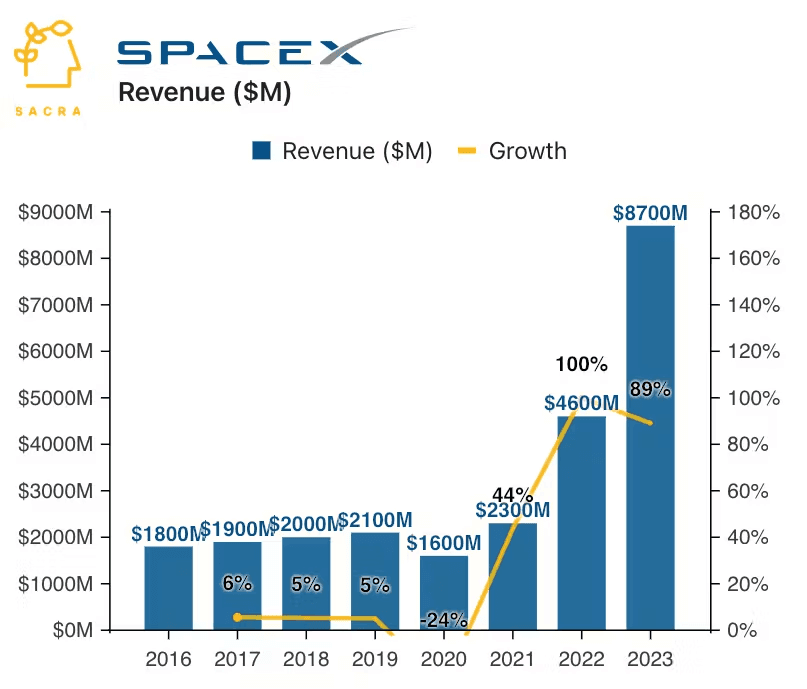
SpaceX
Revenue:
Industry: Aerospace, Satellites, Defense
Expected IPO Window: 2026–2027 (Starlink-led)
Estimated Valuation: $800B+
SpaceX remains the most valuable private company globally. While SpaceX itself may remain private, Starlink, its satellite internet division, is widely expected to IPO first.
Key Drivers
Recurring subscription revenue
Global broadband demand
Government & defense contracts
Capital-intensive expansion needs
Pre-IPO Exposure
Secondary share purchases
SPVs holding late-stage equity
Structured funds with aerospace exposure
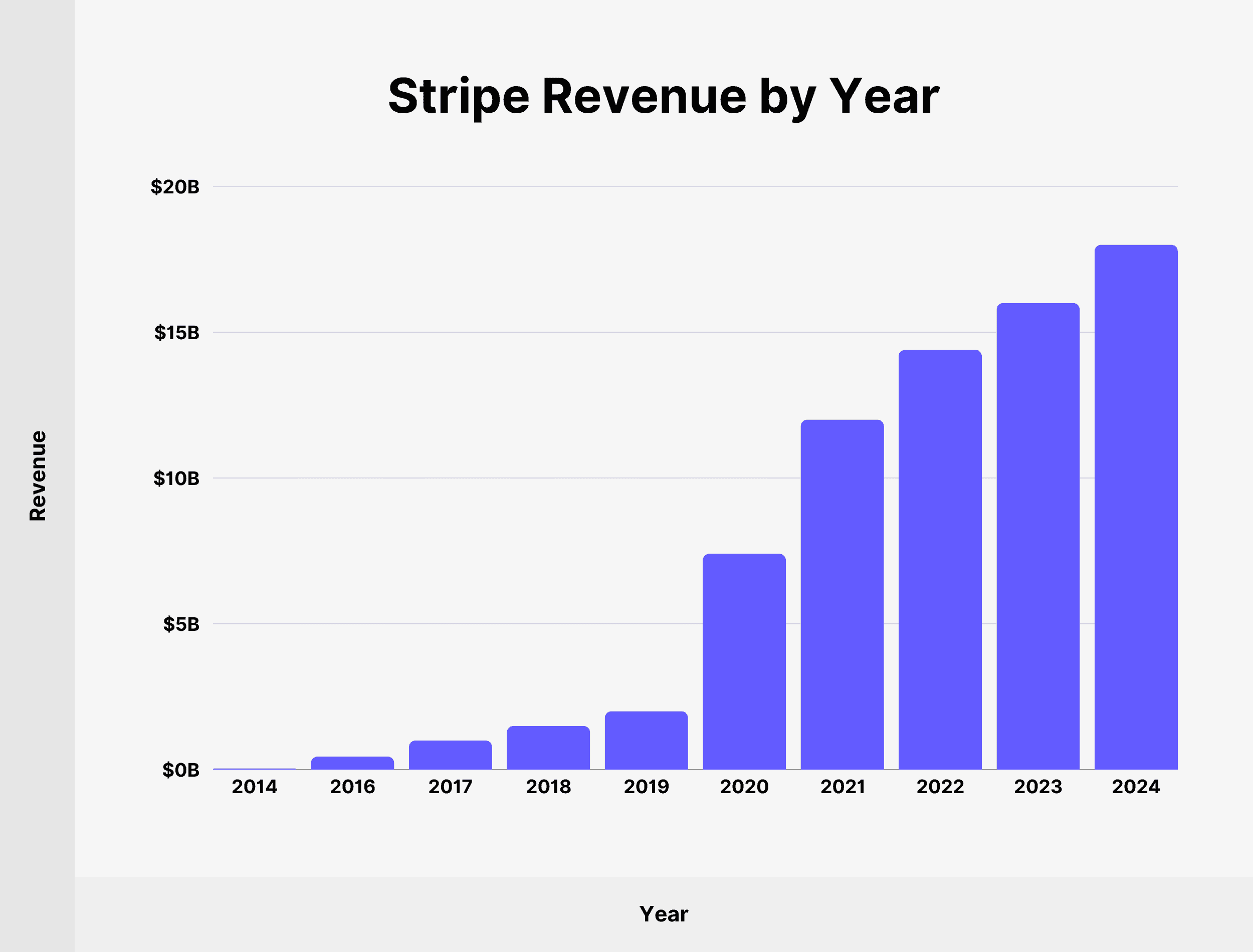
Stripe
Revenue:
Industry: Fintech, Payments Infrastructure
Expected IPO Window: Late 2026
Estimated Valuation: $106.7B+
Stripe has consistently delayed IPO plans, focusing on profitability, cost discipline, and AI-powered payments tooling.
Why Stripe Matters
Mission-critical internet infrastructure
Strong enterprise penetration
High gross margins
Predictable revenue streams
Investor Insight: Stripe has facilitated liquidity for employees via tender offers, a common sign of IPO preparation.
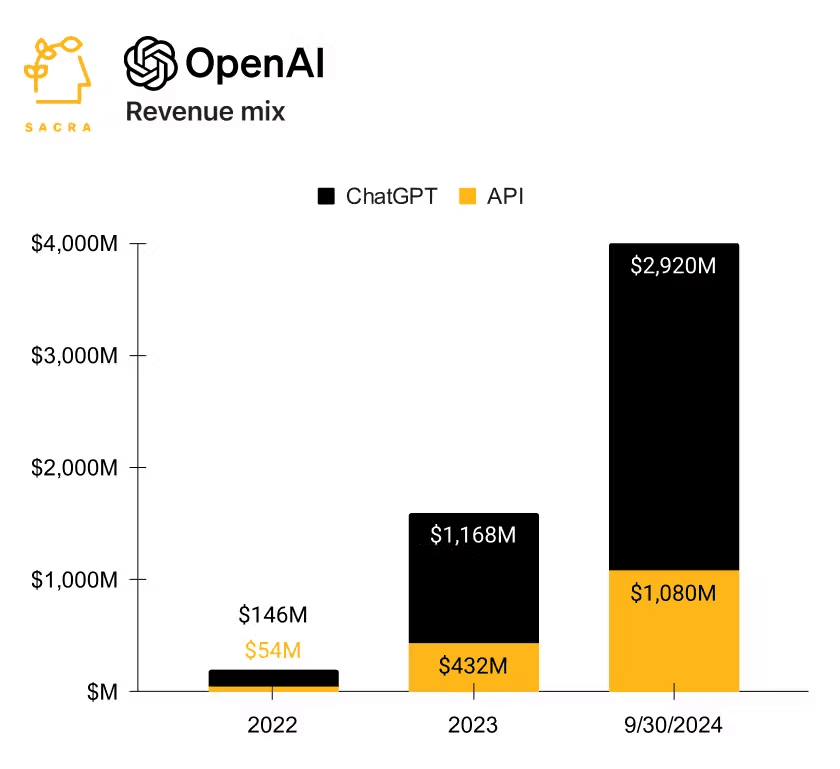
OpenAI
Revenue:
Industry: Artificial Intelligence
Expected IPO Window: 2026–2027 (structure dependent)
Estimated Valuation: $830B+
OpenAI’s corporate structure remains complex, but commercialization via enterprise AI subscriptions, APIs, and partnerships makes an eventual public listing plausible.
Key Considerations
AI regulation risk
Compute cost structure
Revenue concentration
Governance model evolution
Pre-IPO Access
Highly limited
Mostly through strategic or institutional SPVs
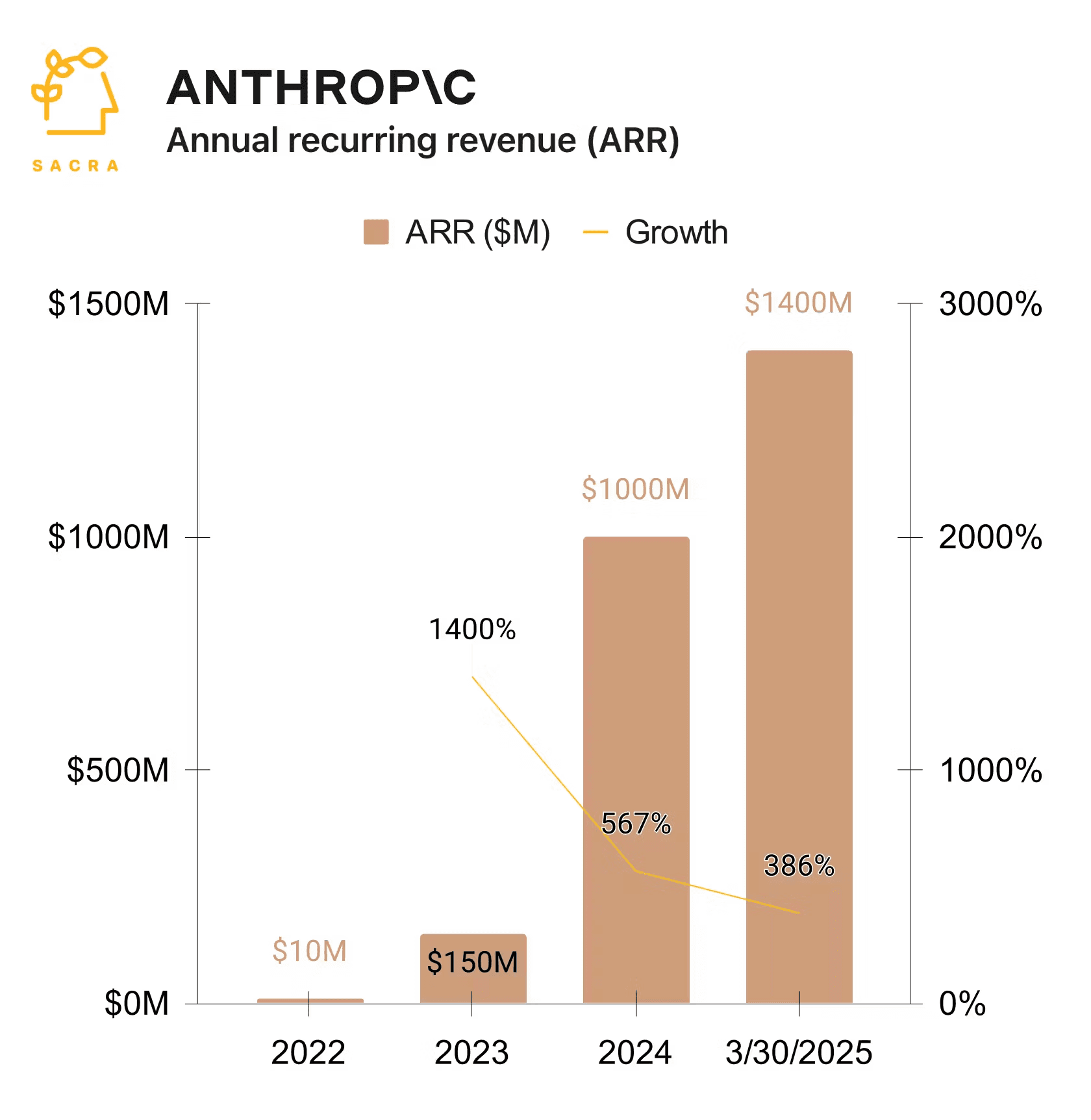
Anthropic
Revenue:
Industry: AI Infrastructure & Safety
Expected IPO Window: 2027
Estimated Valuation (Speculative): $350B
Anthropic has rapidly positioned itself as one of the most credible competitors to OpenAI, particularly in enterprise and regulated-market use cases. Founded by former OpenAI researchers, the company has differentiated itself through a strong emphasis on AI safety, model alignment, and enterprise-grade deployment.
Its flagship Claude models are increasingly adopted by large organizations that prioritize reliability, interpretability, and compliance over pure consumer reach. Anthropic’s partnerships with major cloud providers have significantly expanded its distribution, lowering go-to-market friction while ensuring access to large-scale compute infrastructure.
From an IPO-readiness perspective, Anthropic benefits from:
Long-term enterprise contracts
API-based recurring revenue
Growing demand for “safe AI” in regulated industries
Strategic capital from hyperscalers rather than traditional VC-only backing
While 2027 remains a tentative window, continued revenue growth and clearer AI regulatory frameworks could accelerate public-market readiness.
Why Investors Watch Anthropic
Clear positioning around AI safety and governance
Enterprise-first monetization rather than consumer dependency
Deep technical moat built by foundational model research
Strategic alignment with cloud infrastructure leaders
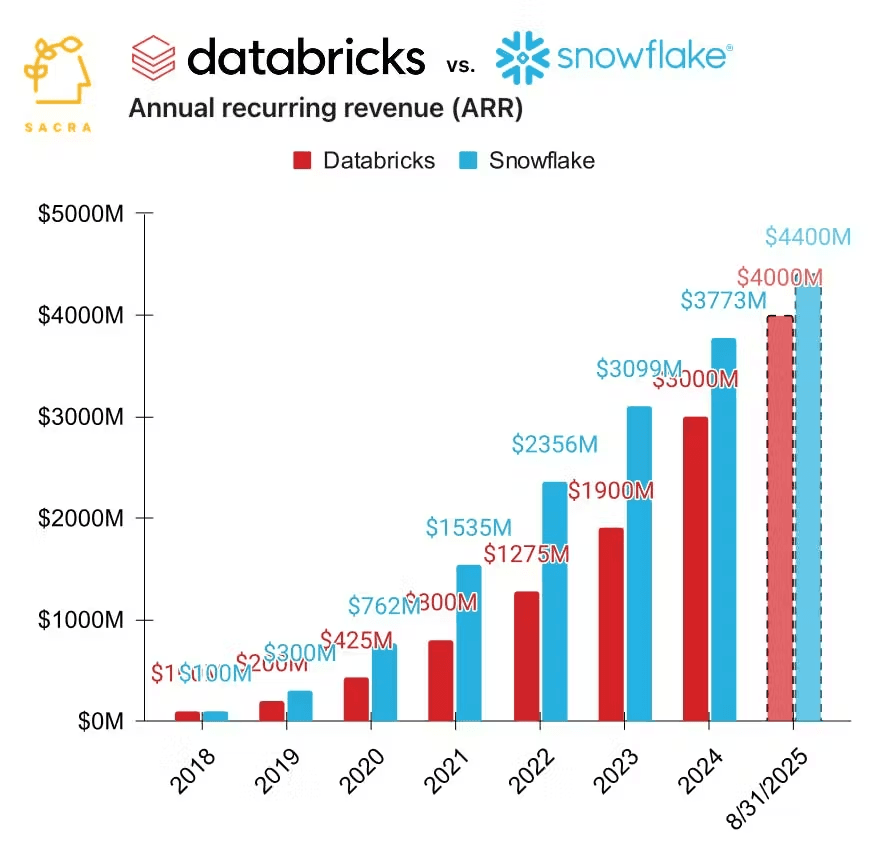
Databricks
Revenue:
Industry: Data Infrastructure, AI
Expected IPO Window: 2026
Estimated Valuation (Speculative): $134B+
Databricks is widely regarded as one of the most IPO-ready private companies globally. Built around the Apache Spark ecosystem, Databricks has evolved into a mission-critical data and AI platform for large enterprises managing massive, complex datasets.
The company’s strength lies in its ability to sit at the intersection of data engineering, analytics, and machine learning, making it deeply embedded within customer workflows. This creates high switching costs and strong net revenue retention, two characteristics public markets tend to reward.
Databricks has also benefited from the AI boom, as enterprises increasingly require unified platforms to train, deploy, and manage AI models at scale.
IPO Readiness Signals
Predictable, subscription-based SaaS revenue
Large and diversified enterprise customer base
Mature internal financial controls
Clear path to sustained profitability
Long-term contracts with Fortune 500 companies
Among 2026 candidates, Databricks is often considered a “when, not if” IPO.
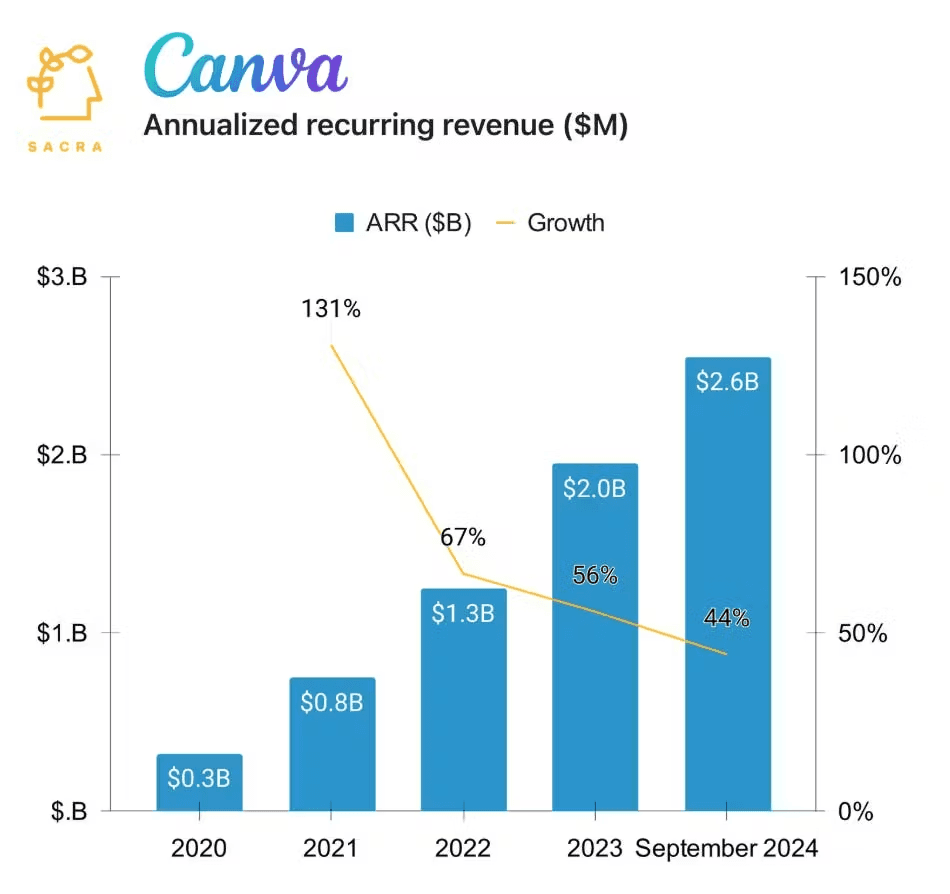
Canva
Revenue:
Industry: Design SaaS
Expected IPO Window: 2026
Estimated Valuation (Speculative): $30B–$45B
Canva has quietly built one of the most impressive SaaS businesses of the last decade. What began as a consumer-friendly design tool has evolved into a global platform used by individuals, teams, enterprises, educators, and marketers.
Unlike many late-stage private companies, Canva is frequently cited as cash-flow positive, with strong unit economics and diversified revenue streams across subscriptions, enterprise plans, and template marketplaces.
Its global footprint, particularly outside the US, gives Canva exposure to emerging markets while maintaining strong penetration in developed economies.
From a public-market perspective, Canva’s simplicity, brand recognition, and profitability profile make it especially attractive during a cautious IPO environment.
Key Strengths
Profitable or near-profitable operations
Massive global user base
High-margin SaaS subscriptions
Strong brand moat and low customer acquisition costs
Expansion into enterprise and collaboration tools
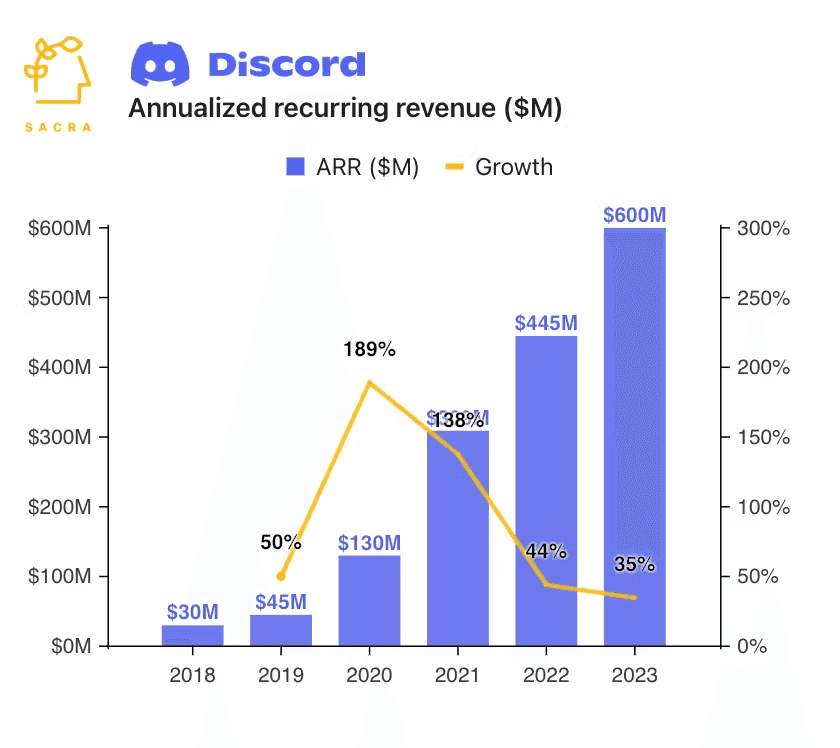
Discord
Revenue:
Industry: Social, Gaming Infrastructure
Expected IPO Window: 2026–2027
Estimated Valuation (Speculative): $20B–$30B
Discord has become a foundational communication layer for gaming communities, creators, DAOs, and online interest groups. Its challenge and opportunity lie in monetizing high engagement without compromising community trust.
While monetization has historically lagged user growth, Discord’s subscription products, server monetization tools, and enterprise/community use cases are expanding steadily.
Public-market investors will focus heavily on Discord’s ability to:
Increase revenue per user
Diversify monetization beyond gaming
Maintain engagement while scaling ads or premium features
If Discord demonstrates consistent revenue expansion alongside stable user growth, a 2026–2027 IPO becomes increasingly plausible.
Why Discord Remains on IPO Radars
Extremely high engagement metrics
Strong network effects
Cultural relevance among Gen Z and creators
Optionality across gaming, education, and enterprise communitiesKraken
Industry: Crypto Exchange
Expected IPO Window: 2026 (regulation dependent)
Estimated Valuation: $15B–$25B
Kraken has publicly stated IPO ambitions once regulatory clarity improves.
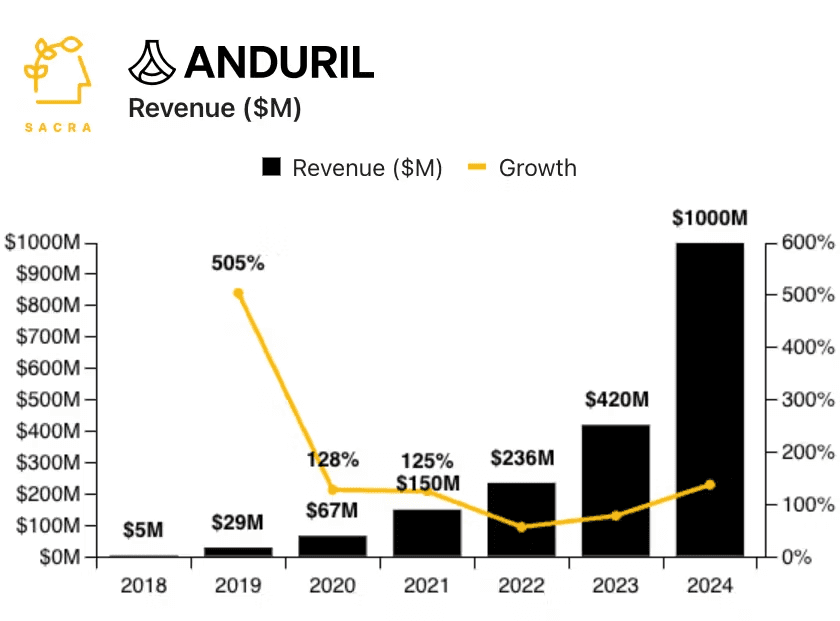
Anduril
Revenue:
Industry: Defense Technology
Expected IPO Window: 2026–2027
Estimated Valuation (Speculative): $30B+
Anduril represents a new generation of defense contractors, combining AI, autonomous systems, and advanced hardware with Silicon Valley-style software iteration. Its customer base spans government defense agencies, border security, and national infrastructure protection.
Unlike traditional defense primes, Anduril operates with:
Faster product development cycles
Software-first defense platforms
Long-term government contracts with recurring revenue
As global defense spending increases and geopolitical uncertainty persists, investor interest in defense technology has grown significantly.
Why Anduril Stands Out
Strong government demand
High switching costs once deployed
AI-driven autonomous defense systems
Long-term contract visibility
A public listing would mark a major shift in how defense technology companies access capital markets.
Kraken
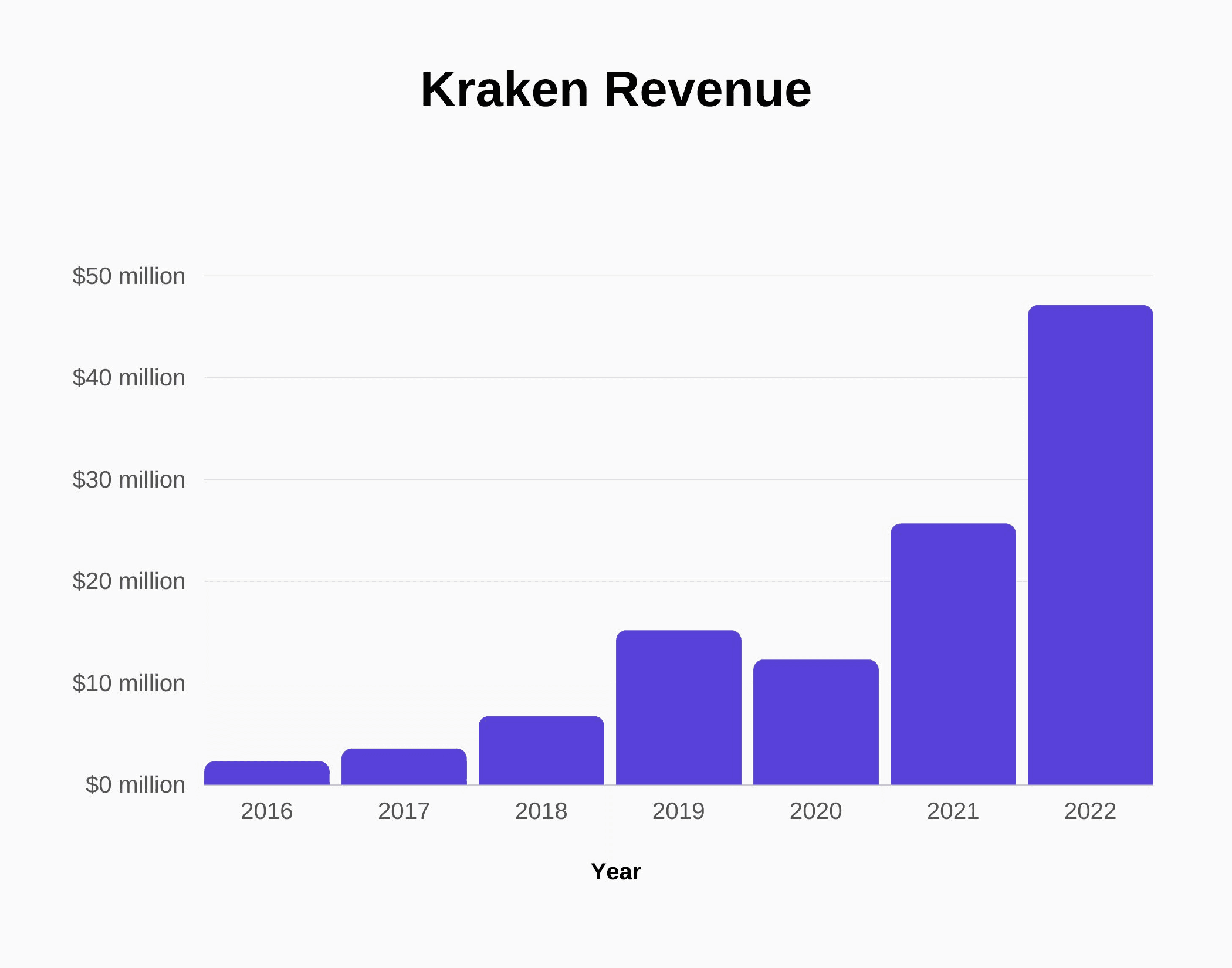
Revenue:
Industry: Crypto Exchange
Expected IPO Window: 2026 (regulation dependent)
Estimated Valuation (Speculative): $15B–$25B
Kraken is one of the longest-operating cryptocurrency exchanges globally and has repeatedly signaled its intent to go public once regulatory clarity improves, particularly in the United States.
Unlike many crypto-native companies, Kraken has emphasized compliance, transparency, and operational discipline, traits that could resonate well with public-market investors if regulatory conditions stabilize.
However, timing remains highly sensitive to:
Crypto market cycles
Global regulatory developments
Exchange profitability during lower-volume periods
A successful Kraken IPO would likely be viewed as a bellwether for broader crypto-market legitimacy in public equities.
How Investors Gain Exposure Before the IPO
Most individual investors never get direct IPO allocations. Instead, exposure often happens before listing through:
SPVs (Special Purpose Vehicles)
Secondary market transactions
Pre-IPO structured funds
Employee liquidity programs
Late-stage venture rounds
This is where platforms like Allocations play a role, enabling compliant, structured access to private market opportunities.
Final Thoughts: The Next IPO Cycle Will Be Different
The 2026–2027 IPO class is shaping up to be smaller, higher quality, and more disciplined than previous cycles. These companies are no longer experimental startups; they are global infrastructure players.
For investors, the real opportunity increasingly lies before the IPO, where access, structure, and compliance matter more than hype.
Where AllocationsX fits
This page is about private-company share access, not SPV formation. AllocationsX is a FINRA/SIPC registered broker-dealer ATS for buying and selling shares in 300+ private companies. It is not an offer or solicitation to buy or sell any security. Accredited investors only. For GPs forming a vehicle around a secondary, use Allocations for formation and admin.
The IPO market is expected to reopen meaningfully in 2026–2027 after years of muted public listings. As interest rates stabilize, late-stage private companies with strong revenue, AI exposure, or infrastructure dominance are preparing for long-awaited public debuts.
For investors, this next IPO cycle will look very different from 2021. Companies are larger, more mature, more profitable, and increasingly accessed before IPO via SPVs, secondary deals, and structured vehicles.
In this guide, we break down the most anticipated IPO candidates for 2026–2027, their business models, expected valuations, timing assumptions, and how investors typically gain exposure before listing.
Why 2026 - 2027 Is Expected to Be a Major IPO Cycle
Several macro and market factors are aligning:
Interest rates are expected to normalize
AI-driven revenue growth has accelerated private valuations
Venture funds raised in 2019–2021 are reaching liquidity timelines
Late-stage companies are prioritizing profitability over growth-at-all-costs
Public markets are rewarding durable cash flows again
As a result, many unicorns that delayed IPOs in 2022–2024 are now restructuring, consolidating, or preparing audited financials for public markets.
Most Anticipated IPOs in 2026 - 2027
SpaceX
Revenue:
Industry: Aerospace, Satellites, Defense
Expected IPO Window: 2026–2027 (Starlink-led)
Estimated Valuation: $800B+
SpaceX remains the most valuable private company globally. While SpaceX itself may remain private, Starlink, its satellite internet division, is widely expected to IPO first.
Key Drivers
Recurring subscription revenue
Global broadband demand
Government & defense contracts
Capital-intensive expansion needs
Pre-IPO Exposure
Secondary share purchases
SPVs holding late-stage equity
Structured funds with aerospace exposure
Stripe
Revenue:
Industry: Fintech, Payments Infrastructure
Expected IPO Window: Late 2026
Estimated Valuation: $106.7B+
Stripe has consistently delayed IPO plans, focusing on profitability, cost discipline, and AI-powered payments tooling.
Why Stripe Matters
Mission-critical internet infrastructure
Strong enterprise penetration
High gross margins
Predictable revenue streams
Investor Insight: Stripe has facilitated liquidity for employees via tender offers, a common sign of IPO preparation.
OpenAI
Revenue:
Industry: Artificial Intelligence
Expected IPO Window: 2026–2027 (structure dependent)
Estimated Valuation: $830B+
OpenAI’s corporate structure remains complex, but commercialization via enterprise AI subscriptions, APIs, and partnerships makes an eventual public listing plausible.
Key Considerations
AI regulation risk
Compute cost structure
Revenue concentration
Governance model evolution
Pre-IPO Access
Highly limited
Mostly through strategic or institutional SPVs
Anthropic
Revenue:
Industry: AI Infrastructure & Safety
Expected IPO Window: 2027
Estimated Valuation (Speculative): $350B
Anthropic has rapidly positioned itself as one of the most credible competitors to OpenAI, particularly in enterprise and regulated-market use cases. Founded by former OpenAI researchers, the company has differentiated itself through a strong emphasis on AI safety, model alignment, and enterprise-grade deployment.
Its flagship Claude models are increasingly adopted by large organizations that prioritize reliability, interpretability, and compliance over pure consumer reach. Anthropic’s partnerships with major cloud providers have significantly expanded its distribution, lowering go-to-market friction while ensuring access to large-scale compute infrastructure.
From an IPO-readiness perspective, Anthropic benefits from:
Long-term enterprise contracts
API-based recurring revenue
Growing demand for “safe AI” in regulated industries
Strategic capital from hyperscalers rather than traditional VC-only backing
While 2027 remains a tentative window, continued revenue growth and clearer AI regulatory frameworks could accelerate public-market readiness.
Why Investors Watch Anthropic
Clear positioning around AI safety and governance
Enterprise-first monetization rather than consumer dependency
Deep technical moat built by foundational model research
Strategic alignment with cloud infrastructure leaders
Databricks
Revenue:
Industry: Data Infrastructure, AI
Expected IPO Window: 2026
Estimated Valuation (Speculative): $134B+
Databricks is widely regarded as one of the most IPO-ready private companies globally. Built around the Apache Spark ecosystem, Databricks has evolved into a mission-critical data and AI platform for large enterprises managing massive, complex datasets.
The company’s strength lies in its ability to sit at the intersection of data engineering, analytics, and machine learning, making it deeply embedded within customer workflows. This creates high switching costs and strong net revenue retention, two characteristics public markets tend to reward.
Databricks has also benefited from the AI boom, as enterprises increasingly require unified platforms to train, deploy, and manage AI models at scale.
IPO Readiness Signals
Predictable, subscription-based SaaS revenue
Large and diversified enterprise customer base
Mature internal financial controls
Clear path to sustained profitability
Long-term contracts with Fortune 500 companies
Among 2026 candidates, Databricks is often considered a “when, not if” IPO.
Canva
Revenue:
Industry: Design SaaS
Expected IPO Window: 2026
Estimated Valuation (Speculative): $30B–$45B
Canva has quietly built one of the most impressive SaaS businesses of the last decade. What began as a consumer-friendly design tool has evolved into a global platform used by individuals, teams, enterprises, educators, and marketers.
Unlike many late-stage private companies, Canva is frequently cited as cash-flow positive, with strong unit economics and diversified revenue streams across subscriptions, enterprise plans, and template marketplaces.
Its global footprint, particularly outside the US, gives Canva exposure to emerging markets while maintaining strong penetration in developed economies.
From a public-market perspective, Canva’s simplicity, brand recognition, and profitability profile make it especially attractive during a cautious IPO environment.
Key Strengths
Profitable or near-profitable operations
Massive global user base
High-margin SaaS subscriptions
Strong brand moat and low customer acquisition costs
Expansion into enterprise and collaboration tools
Discord
Revenue:
Industry: Social, Gaming Infrastructure
Expected IPO Window: 2026–2027
Estimated Valuation (Speculative): $20B–$30B
Discord has become a foundational communication layer for gaming communities, creators, DAOs, and online interest groups. Its challenge and opportunity lie in monetizing high engagement without compromising community trust.
While monetization has historically lagged user growth, Discord’s subscription products, server monetization tools, and enterprise/community use cases are expanding steadily.
Public-market investors will focus heavily on Discord’s ability to:
Increase revenue per user
Diversify monetization beyond gaming
Maintain engagement while scaling ads or premium features
If Discord demonstrates consistent revenue expansion alongside stable user growth, a 2026–2027 IPO becomes increasingly plausible.
Why Discord Remains on IPO Radars
Extremely high engagement metrics
Strong network effects
Cultural relevance among Gen Z and creators
Optionality across gaming, education, and enterprise communitiesKraken
Industry: Crypto Exchange
Expected IPO Window: 2026 (regulation dependent)
Estimated Valuation: $15B–$25B
Kraken has publicly stated IPO ambitions once regulatory clarity improves.
Anduril
Revenue:
Industry: Defense Technology
Expected IPO Window: 2026–2027
Estimated Valuation (Speculative): $30B+
Anduril represents a new generation of defense contractors, combining AI, autonomous systems, and advanced hardware with Silicon Valley-style software iteration. Its customer base spans government defense agencies, border security, and national infrastructure protection.
Unlike traditional defense primes, Anduril operates with:
Faster product development cycles
Software-first defense platforms
Long-term government contracts with recurring revenue
As global defense spending increases and geopolitical uncertainty persists, investor interest in defense technology has grown significantly.
Why Anduril Stands Out
Strong government demand
High switching costs once deployed
AI-driven autonomous defense systems
Long-term contract visibility
A public listing would mark a major shift in how defense technology companies access capital markets.
Kraken
Revenue:
Industry: Crypto Exchange
Expected IPO Window: 2026 (regulation dependent)
Estimated Valuation (Speculative): $15B–$25B
Kraken is one of the longest-operating cryptocurrency exchanges globally and has repeatedly signaled its intent to go public once regulatory clarity improves, particularly in the United States.
Unlike many crypto-native companies, Kraken has emphasized compliance, transparency, and operational discipline, traits that could resonate well with public-market investors if regulatory conditions stabilize.
However, timing remains highly sensitive to:
Crypto market cycles
Global regulatory developments
Exchange profitability during lower-volume periods
A successful Kraken IPO would likely be viewed as a bellwether for broader crypto-market legitimacy in public equities.
How Investors Gain Exposure Before the IPO
Most individual investors never get direct IPO allocations. Instead, exposure often happens before listing through:
SPVs (Special Purpose Vehicles)
Secondary market transactions
Pre-IPO structured funds
Employee liquidity programs
Late-stage venture rounds
This is where platforms like Allocations play a role, enabling compliant, structured access to private market opportunities.
Final Thoughts: The Next IPO Cycle Will Be Different
The 2026–2027 IPO class is shaping up to be smaller, higher quality, and more disciplined than previous cycles. These companies are no longer experimental startups; they are global infrastructure players.
For investors, the real opportunity increasingly lies before the IPO, where access, structure, and compliance matter more than hype.
Where AllocationsX fits
This page is about private-company share access, not SPV formation. AllocationsX is a FINRA/SIPC registered broker-dealer ATS for buying and selling shares in 300+ private companies. It is not an offer or solicitation to buy or sell any security. Accredited investors only. For GPs forming a vehicle around a secondary, use Allocations for formation and admin.

Addhyan Negi
Director of Marketing, Allocations

Start your next SPV
in 10 minutes
Start your next SPV in 10 minutes
Start your next SPV
in 10 minutes
Read related articles
Allocations secondary market is operated through Allocations Securities, LLC dba AllocationsX, member FINRA/SIPC. Check this firm on FINRA BrokerCheck. Allocations Securities, LLC is a wholly owned subsidiary of Allocations, Inc.
Copyright © Allocations Inc
Allocations secondary market is operated through Allocations Securities, LLC dba AllocationsX, member FINRA/SIPC. Check this firm on FINRA BrokerCheck. Allocations Securities, LLC is a wholly owned subsidiary of Allocations, Inc.
Copyright © Allocations Inc
Allocations secondary market is operated through Allocations Securities, LLC dba AllocationsX, member FINRA/SIPC. Check this firm on FINRA BrokerCheck. Allocations Securities, LLC is a wholly owned subsidiary of Allocations, Inc.
Copyright © Allocations Inc