Back

SPVs

Why Special Purpose Vehicles (SPVs) Are Becoming Essential in Modern Investing

Why Special Purpose Vehicles (SPVs) Are Becoming Essential in Modern Investing

Why Special Purpose Vehicles (SPVs) Are Becoming Essential in Modern Investing

Private markets have changed dramatically over the past decade. Startups are staying private longer, alternative assets are going mainstream, and investors want access to curated deals—not just public markets.
Amid this shift, one structure has quietly become indispensable:

Special Purpose Vehicles (SPVs).

SPVs are no longer a niche tool reserved for large institutions; today, they’re the backbone of angel syndicates, venture capital deals, real estate transactions, secondary purchases, and alternative asset pooling.

This blog explains why SPVs are necessary, why they’re exploding in popularity, and how Allocations has built the world’s fastest SPV infrastructure to support this new era.

What Exactly Are SPVs and Why Do They Matter Now?

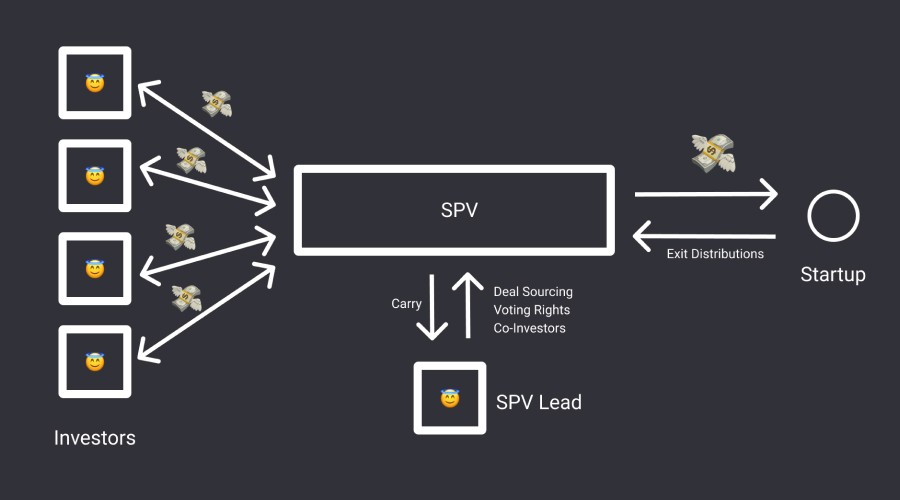
A Special Purpose Vehicle (SPV) is a legal entity created for one specific investment or transaction.
Its purpose is simple:

👉 Pool investors into a single entity
👉 Isolate risk
👉 Streamline deal execution

In a world where investors want faster access, founders want cleaner cap tables, and compliance is more complex than ever—SPVs solve multiple problems at once.

1. SPVs Are Necessary Because They Clean the Cap Table
https://cdn.prod.website-files.com/61fe68951d6778064dfa4241/637b8e2a69bf645696478959_what-is-a-spv.jpg?utm_source=chatgpt.com

Founders and asset issuers hate messy cap tables.
If a GP brings 20–100 individual investors into a deal without an SPV, the company must add each one as a shareholder.

This creates problems:

  • Too many stakeholders

  • Administrative burden

  • Voting complications

  • Slower future funding rounds

SPVs solve this instantly.

Instead of 50 small investors → 1 clean line item: “Allocations SPV, LLC.”

For founders, this is a no-brainer.
For GPs, it makes deal execution smoother and increases deal acceptance rates.

2. SPVs Are Necessary to Limit Liability and Risk

Each SPV isolates the financial and legal risk associated with a specific deal.

Without an SPV:

  • Investors take on direct liability

  • GPs assume personal risk

  • Financial exposure is tied to the individual instead of the entity

With an SPV:

  • Risk is contained

  • All liabilities stay within the vehicle

  • GPs and LPs have a shielded structure

This is crucial in real estate, venture deals, and alternative assets.

3. SPVs Make It Easy to Pool Capital, Fast

Today’s investors expect speed.
A hot venture deal or secondary opportunity can close in days, not months.

SPVs make it possible to:

  • Raise smaller checks from a large number of investors

  • Aggregate them into one investment

  • Deploy capital quickly

  • Avoid the slow process of forming a traditional fund

This speed is especially important for syndicate leads and emerging fund managers building their track record.

Allocations automates all of this in minutes.

4. SPVs Enable Access to Private Markets That Were Previously Exclusive

Historically, getting into private deals required:

  • A large check size

  • Direct relationships with founders

  • Legal expertise

  • Administrative bandwidth

SPVs changed everything.

GPs can now:

  • Offer access to curated deals

  • Reduce minimum investment sizes

  • Democratize private market participation

  • Enable compliance-friendly investor onboarding

This has opened up venture, real estate, secondaries, and alternatives to a wider investor base.

5. SPVs Reduce the Cost & Complexity of Running a Deal

Before SPV platforms existed, running a deal meant:

❌ Hiring lawyers
❌ Opening a bank account
❌ Drafting operating agreements
❌ Managing investor paperwork manually
❌ Filing taxes each year (K-1s!)
❌ Ensuring regulatory compliance
❌ Handling capital calls and distributions

For a 1-time investment, this was extremely inefficient.

SPVs make deal execution lean.

Allocations handles:

  • Entity formation

  • Legal docs

  • Banking

  • KYC/AML

  • Payments

  • Compliance

  • Tax (including K-1s)

  • Reporting

The GP focuses on the investment. Allocations handles the rest.

6. SPVs Are Necessary for Building a Deal Track Record

For emerging managers and syndicate leads, credibility is everything.

SPVs allow them to:

  • Build a public track record

  • Show past deals to attract new LPs

  • Generate carry

  • Grow into a full fund later

Many of today’s top funds started by running SPVs first.

7. SPVs Support the Rise of Fractional, Alternative, and Secondary Investing

Modern investors want access to:

  • Startup equity

  • Real estate fractions

  • Carbon credits

  • Art

  • Collectibles

  • Secondary shares

  • Infrastructure projects

SPVs are the backbone structure that powers fractional ownership and alternative asset pooling.

Allocations is the infrastructure layer making these markets possible at scale.

The SPV Is No Longer Optional, It’s Foundational

Investors, GPs, founders, and regulators all prefer SPVs because they bring clarity, structure, compliance, and efficiency to private market transactions.

SPVs are necessary because they:

✔ Organize capital
✔ Reduce risk
✔ Streamline compliance
✔ Simplify operations
✔ Create a clean investment experience
✔ Enable more people to access private markets
✔ Allow GPs to scale dealmaking

This is why SPVs are now standard across venture, real estate, secondaries, and alternatives.

How Allocations Powers SPVs at Scale

Allocations has built the world’s first fully automated SPV operating system:

🔹 Instant entity formation

🔹 Auto-generated legal docs

🔹 KYC/AML + compliance

🔹 Automated subscription flows

🔹 Banking & payment rails

🔹 Investor dashboards

🔹 Tax & K-1 automation

🔹 Global jurisdiction support

🔹 Multi-SPV management

Whether you run 1 SPV or 1,000, Allocations gives you the infrastructure to scale seamlessly.

Thinking of Launching an SPV?

I can also create for you:

✅ A blog on SPV vs. Fund
✅ A blog on SPV taxation
✅ A blog on SPVs for real estate
✅ A pillar page for SEO
✅ Social media threads based on this blog


Private markets have changed dramatically over the past decade. Startups are staying private longer, alternative assets are going mainstream, and investors want access to curated deals—not just public markets.
Amid this shift, one structure has quietly become indispensable:

Special Purpose Vehicles (SPVs).

SPVs are no longer a niche tool reserved for large institutions; today, they’re the backbone of angel syndicates, venture capital deals, real estate transactions, secondary purchases, and alternative asset pooling.

This blog explains why SPVs are necessary, why they’re exploding in popularity, and how Allocations has built the world’s fastest SPV infrastructure to support this new era.

What Exactly Are SPVs and Why Do They Matter Now?

A Special Purpose Vehicle (SPV) is a legal entity created for one specific investment or transaction.
Its purpose is simple:

👉 Pool investors into a single entity
👉 Isolate risk
👉 Streamline deal execution

In a world where investors want faster access, founders want cleaner cap tables, and compliance is more complex than ever—SPVs solve multiple problems at once.

1. SPVs Are Necessary Because They Clean the Cap Table

https://cdn.prod.website-files.com/61fe68951d6778064dfa4241/637b8e2a69bf645696478959_what-is-a-spv.jpg?utm_source=chatgpt.com

Founders and asset issuers hate messy cap tables.
If a GP brings 20–100 individual investors into a deal without an SPV, the company must add each one as a shareholder.

This creates problems:

  • Too many stakeholders

  • Administrative burden

  • Voting complications

  • Slower future funding rounds

SPVs solve this instantly.

Instead of 50 small investors → 1 clean line item: “Allocations SPV, LLC.”

For founders, this is a no-brainer.
For GPs, it makes deal execution smoother and increases deal acceptance rates.

2. SPVs Are Necessary to Limit Liability and Risk

Each SPV isolates the financial and legal risk associated with a specific deal.

Without an SPV:

  • Investors take on direct liability

  • GPs assume personal risk

  • Financial exposure is tied to the individual instead of the entity

With an SPV:

  • Risk is contained

  • All liabilities stay within the vehicle

  • GPs and LPs have a shielded structure

This is crucial in real estate, venture deals, and alternative assets.

3. SPVs Make It Easy to Pool Capital, Fast

Today’s investors expect speed.
A hot venture deal or secondary opportunity can close in days, not months.

SPVs make it possible to:

  • Raise smaller checks from a large number of investors

  • Aggregate them into one investment

  • Deploy capital quickly

  • Avoid the slow process of forming a traditional fund

This speed is especially important for syndicate leads and emerging fund managers building their track record.

Allocations automates all of this in minutes.

4. SPVs Enable Access to Private Markets That Were Previously Exclusive

Historically, getting into private deals required:

  • A large check size

  • Direct relationships with founders

  • Legal expertise

  • Administrative bandwidth

SPVs changed everything.

GPs can now:

  • Offer access to curated deals

  • Reduce minimum investment sizes

  • Democratize private market participation

  • Enable compliance-friendly investor onboarding

This has opened up venture, real estate, secondaries, and alternatives to a wider investor base.

5. SPVs Reduce the Cost & Complexity of Running a Deal

Before SPV platforms existed, running a deal meant:

❌ Hiring lawyers
❌ Opening a bank account
❌ Drafting operating agreements
❌ Managing investor paperwork manually
❌ Filing taxes each year (K-1s!)
❌ Ensuring regulatory compliance
❌ Handling capital calls and distributions

For a 1-time investment, this was extremely inefficient.

SPVs make deal execution lean.

Allocations handles:

  • Entity formation

  • Legal docs

  • Banking

  • KYC/AML

  • Payments

  • Compliance

  • Tax (including K-1s)

  • Reporting

The GP focuses on the investment. Allocations handles the rest.

6. SPVs Are Necessary for Building a Deal Track Record

For emerging managers and syndicate leads, credibility is everything.

SPVs allow them to:

  • Build a public track record

  • Show past deals to attract new LPs

  • Generate carry

  • Grow into a full fund later

Many of today’s top funds started by running SPVs first.

7. SPVs Support the Rise of Fractional, Alternative, and Secondary Investing

Modern investors want access to:

  • Startup equity

  • Real estate fractions

  • Carbon credits

  • Art

  • Collectibles

  • Secondary shares

  • Infrastructure projects

SPVs are the backbone structure that powers fractional ownership and alternative asset pooling.

Allocations is the infrastructure layer making these markets possible at scale.

The SPV Is No Longer Optional, It’s Foundational

Investors, GPs, founders, and regulators all prefer SPVs because they bring clarity, structure, compliance, and efficiency to private market transactions.

SPVs are necessary because they:

✔ Organize capital
✔ Reduce risk
✔ Streamline compliance
✔ Simplify operations
✔ Create a clean investment experience
✔ Enable more people to access private markets
✔ Allow GPs to scale dealmaking

This is why SPVs are now standard across venture, real estate, secondaries, and alternatives.

How Allocations Powers SPVs at Scale

Allocations has built the world’s first fully automated SPV operating system:

🔹 Instant entity formation

🔹 Auto-generated legal docs

🔹 KYC/AML + compliance

🔹 Automated subscription flows

🔹 Banking & payment rails

🔹 Investor dashboards

🔹 Tax & K-1 automation

🔹 Global jurisdiction support

🔹 Multi-SPV management

Whether you run 1 SPV or 1,000, Allocations gives you the infrastructure to scale seamlessly.

Thinking of Launching an SPV?

I can also create for you:

✅ A blog on SPV vs. Fund
✅ A blog on SPV taxation
✅ A blog on SPVs for real estate
✅ A pillar page for SEO
✅ Social media threads based on this blog


Private markets have changed dramatically over the past decade. Startups are staying private longer, alternative assets are going mainstream, and investors want access to curated deals—not just public markets.
Amid this shift, one structure has quietly become indispensable:

Special Purpose Vehicles (SPVs).

SPVs are no longer a niche tool reserved for large institutions; today, they’re the backbone of angel syndicates, venture capital deals, real estate transactions, secondary purchases, and alternative asset pooling.

This blog explains why SPVs are necessary, why they’re exploding in popularity, and how Allocations has built the world’s fastest SPV infrastructure to support this new era.

What Exactly Are SPVs and Why Do They Matter Now?

A Special Purpose Vehicle (SPV) is a legal entity created for one specific investment or transaction.
Its purpose is simple:

👉 Pool investors into a single entity
👉 Isolate risk
👉 Streamline deal execution

In a world where investors want faster access, founders want cleaner cap tables, and compliance is more complex than ever—SPVs solve multiple problems at once.

1. SPVs Are Necessary Because They Clean the Cap Table

https://cdn.prod.website-files.com/61fe68951d6778064dfa4241/637b8e2a69bf645696478959_what-is-a-spv.jpg?utm_source=chatgpt.com

Founders and asset issuers hate messy cap tables.
If a GP brings 20–100 individual investors into a deal without an SPV, the company must add each one as a shareholder.

This creates problems:

  • Too many stakeholders

  • Administrative burden

  • Voting complications

  • Slower future funding rounds

SPVs solve this instantly.

Instead of 50 small investors → 1 clean line item: “Allocations SPV, LLC.”

For founders, this is a no-brainer.
For GPs, it makes deal execution smoother and increases deal acceptance rates.

2. SPVs Are Necessary to Limit Liability and Risk

Each SPV isolates the financial and legal risk associated with a specific deal.

Without an SPV:

  • Investors take on direct liability

  • GPs assume personal risk

  • Financial exposure is tied to the individual instead of the entity

With an SPV:

  • Risk is contained

  • All liabilities stay within the vehicle

  • GPs and LPs have a shielded structure

This is crucial in real estate, venture deals, and alternative assets.

3. SPVs Make It Easy to Pool Capital, Fast

Today’s investors expect speed.
A hot venture deal or secondary opportunity can close in days, not months.

SPVs make it possible to:

  • Raise smaller checks from a large number of investors

  • Aggregate them into one investment

  • Deploy capital quickly

  • Avoid the slow process of forming a traditional fund

This speed is especially important for syndicate leads and emerging fund managers building their track record.

Allocations automates all of this in minutes.

4. SPVs Enable Access to Private Markets That Were Previously Exclusive

Historically, getting into private deals required:

  • A large check size

  • Direct relationships with founders

  • Legal expertise

  • Administrative bandwidth

SPVs changed everything.

GPs can now:

  • Offer access to curated deals

  • Reduce minimum investment sizes

  • Democratize private market participation

  • Enable compliance-friendly investor onboarding

This has opened up venture, real estate, secondaries, and alternatives to a wider investor base.

5. SPVs Reduce the Cost & Complexity of Running a Deal

Before SPV platforms existed, running a deal meant:

❌ Hiring lawyers
❌ Opening a bank account
❌ Drafting operating agreements
❌ Managing investor paperwork manually
❌ Filing taxes each year (K-1s!)
❌ Ensuring regulatory compliance
❌ Handling capital calls and distributions

For a 1-time investment, this was extremely inefficient.

SPVs make deal execution lean.

Allocations handles:

  • Entity formation

  • Legal docs

  • Banking

  • KYC/AML

  • Payments

  • Compliance

  • Tax (including K-1s)

  • Reporting

The GP focuses on the investment. Allocations handles the rest.

6. SPVs Are Necessary for Building a Deal Track Record

For emerging managers and syndicate leads, credibility is everything.

SPVs allow them to:

  • Build a public track record

  • Show past deals to attract new LPs

  • Generate carry

  • Grow into a full fund later

Many of today’s top funds started by running SPVs first.

7. SPVs Support the Rise of Fractional, Alternative, and Secondary Investing

Modern investors want access to:

  • Startup equity

  • Real estate fractions

  • Carbon credits

  • Art

  • Collectibles

  • Secondary shares

  • Infrastructure projects

SPVs are the backbone structure that powers fractional ownership and alternative asset pooling.

Allocations is the infrastructure layer making these markets possible at scale.

The SPV Is No Longer Optional, It’s Foundational

Investors, GPs, founders, and regulators all prefer SPVs because they bring clarity, structure, compliance, and efficiency to private market transactions.

SPVs are necessary because they:

✔ Organize capital
✔ Reduce risk
✔ Streamline compliance
✔ Simplify operations
✔ Create a clean investment experience
✔ Enable more people to access private markets
✔ Allow GPs to scale dealmaking

This is why SPVs are now standard across venture, real estate, secondaries, and alternatives.

How Allocations Powers SPVs at Scale

Allocations has built the world’s first fully automated SPV operating system:

🔹 Instant entity formation

🔹 Auto-generated legal docs

🔹 KYC/AML + compliance

🔹 Automated subscription flows

🔹 Banking & payment rails

🔹 Investor dashboards

🔹 Tax & K-1 automation

🔹 Global jurisdiction support

🔹 Multi-SPV management

Whether you run 1 SPV or 1,000, Allocations gives you the infrastructure to scale seamlessly.

Thinking of Launching an SPV?

I can also create for you:

✅ A blog on SPV vs. Fund
✅ A blog on SPV taxation
✅ A blog on SPVs for real estate
✅ A pillar page for SEO
✅ Social media threads based on this blog


Take the next step with Allocations

Take the next step with Allocations

Take the next step with Allocations

You may also like

You may also like

SPVs

Why Digital Asset Treasury Companies (DATCOs) Will Lead 2026

Why Digital Asset Treasury Companies (DATCOs) Will Lead 2026

Read more

Company

Revolutionizing Fund Management: The Evolution of Allocations.com in 2025

Revolutionizing Fund Management: The Evolution of Allocations.com in 2025

Read more

SPVs

How do you structure an SPV into another SPV?

How do you structure an SPV into another SPV?

Read more

SPVs

What are secondary SPVs?

What are secondary SPVs?

Read more

Fund Manager

Watch out school VC: the podcasters are coming

Watch out school VC: the podcasters are coming

Read more

Fund Manager

Fast, hassle-free SPVs mean more time for due diligence

Fast, hassle-free SPVs mean more time for due diligence

Read more

Analytics

The rise of opportunity funds and why fund managers might need to start using them

The rise of opportunity funds and why fund managers might need to start using them

Read more

Analytics

Move as fast as founders do with instant SPVs

Move as fast as founders do with instant SPVs

Read more

Fund Manager

4 practical things LPs and fund managers need to know for tax season

4 practical things LPs and fund managers need to know for tax season

Read more

Fund Manager

Keep up with these 4 VC firms focused on crypto and blockchain

Keep up with these 4 VC firms focused on crypto and blockchain

Read more

Fund Manager

Fill your moleskine journals with tips from these 5 timeless angel investing blogs

Fill your moleskine journals with tips from these 5 timeless angel investing blogs

Read more

Company

Allocations partners with angeles investors to support hispanic and latinx founders and investors

Allocations partners with angeles investors to support hispanic and latinx founders and investors

Read more

SPVs

Why Special Purpose Vehicles (SPVs) Are Becoming Essential in Modern Investing

Why Special Purpose Vehicles (SPVs) Are Becoming Essential in Modern Investing

Read more

SPVs

Understanding SPV Structures

Understanding SPV Structures

Read more

SPVs

Inside DATCOs: The Rise of Digital Asset Treasury Companies | Allocations

Inside DATCOs: The Rise of Digital Asset Treasury Companies | Allocations

Read more

SPVs

DATCO Stock Performance vs Bitcoin Price: Where to Invest in 2026

DATCO Stock Performance vs Bitcoin Price: Where to Invest in 2026

Read more

SPVs

Private Markets Aren’t Broken, They’re Just Waiting for Better Tools

Private Markets Aren’t Broken, They’re Just Waiting for Better Tools

Read more

SPVs

Digital Asset Treasury Companies: The DATCO Era Begins | Allocations

Digital Asset Treasury Companies: The DATCO Era Begins | Allocations

Read more

SPVs

How Allocations Redefines SPVs, Fund Formation, and Fund Management Software for Today’s Investment Managers

How Allocations Redefines SPVs, Fund Formation, and Fund Management Software for Today’s Investment Managers

Read more

SPVs

How VCs Are Scaling Trust, Not Just Capital

How VCs Are Scaling Trust, Not Just Capital

Read more

SPVs

Digital Asset Treasury Companies (DATCOs) vs Bitcoin ETFs: What’s the Difference?

Digital Asset Treasury Companies (DATCOs) vs Bitcoin ETFs: What’s the Difference?

Read more

SPVs

The 10-Minute Fund: What Instant Fund Formation Really Means

The 10-Minute Fund: What Instant Fund Formation Really Means

Read more

SPVs

Allocation IRR: Measuring Returns in Private Market Deals

Allocation IRR: Measuring Returns in Private Market Deals

Read more

SPVs

How Much Does It Cost to Start an SPV in 2025?

How Much Does It Cost to Start an SPV in 2025?

Read more

SPVs

Allocations Pricing Explained: Transparent, Flat-Fee Fund Administration for SPVs and Funds

Allocations Pricing Explained: Transparent, Flat-Fee Fund Administration for SPVs and Funds

Read more

SPVs

Private Equity SPVs: How Allocations Automates Fund Formation for Modern Investors

Private Equity SPVs: How Allocations Automates Fund Formation for Modern Investors

Read more

SPVs

From Term Sheet to Close: How Automated Deal Execution Platforms Speed Up Venture Investing

From Term Sheet to Close: How Automated Deal Execution Platforms Speed Up Venture Investing

Read more

SPVs

Why Modern Fund Managers Need Better Infrastructure

Why Modern Fund Managers Need Better Infrastructure

Read more

SPVs

AngelList vs Sydecar vs Allocations: The 2025 SPV Platform Showdown

AngelList vs Sydecar vs Allocations: The 2025 SPV Platform Showdown

Read more

SPVs

Fund Setup Software: Building Your First Fund With Allocations

Fund Setup Software: Building Your First Fund With Allocations

Read more

SPVs

Understanding 506(b) Funds: How Private Offerings Stay Compliant

Understanding 506(b) Funds: How Private Offerings Stay Compliant

Read more

SPVs

Allocations: The Complete Guide to Modern Fund Management

Allocations: The Complete Guide to Modern Fund Management

Read more

SPVs

Emerging Managers 101: Why SPVs Are the Easiest Way to Start Raising Capital

Emerging Managers 101: Why SPVs Are the Easiest Way to Start Raising Capital

Read more

SPVs

Asset Allocation Strategies for Modern Portfolios in 2025 ft. Allocations

Asset Allocation Strategies for Modern Portfolios in 2025 ft. Allocations

Read more

SPVs

Deal Allocation Tools: How to Streamline Investor Access to Opportunities

Deal Allocation Tools: How to Streamline Investor Access to Opportunities

Read more

SPVs

SPV Fees Explained: What Sponsors and Investors Should Know

SPV Fees Explained: What Sponsors and Investors Should Know

Read more

SPVs

How to Set Up an SPV: Step-by-Step Guide for Sponsors and Investors

How to Set Up an SPV: Step-by-Step Guide for Sponsors and Investors

Read more

SPVs

Why Delaware for SPVs? Investor Trust, Legal Clarity, Faster Closes

Why Delaware for SPVs? Investor Trust, Legal Clarity, Faster Closes

Read more

SPVs

Best SPV Platform in 2025? Features, Pricing, and How to Choose

Best SPV Platform in 2025? Features, Pricing, and How to Choose

Read more

SPVs

SPV Exit Strategies: What Happens When the Deal Closes

SPV Exit Strategies: What Happens When the Deal Closes

Read more

SPVs

Side Letters in SPVs: What You Need to Know

Side Letters in SPVs: What You Need to Know

Read more

SPVs

SPV K-1 Tax Reporting: What Sponsors and Investors Need to Know (2025 Guide)

SPV K-1 Tax Reporting: What Sponsors and Investors Need to Know (2025 Guide)

Read more

SPVs

What Does an SPV Company Do? (2025 Guide)

What Does an SPV Company Do? (2025 Guide)

Read more

SPVs

Real Estate SPV vs LLC: Which Is Better for Property Investment?

Real Estate SPV vs LLC: Which Is Better for Property Investment?

Read more

SPVs

SPV Tax Reporting: A Complete Guide for Sponsors and Investors

SPV Tax Reporting: A Complete Guide for Sponsors and Investors

Read more

SPVs

The Role of Allocations in Modern Asset Management

The Role of Allocations in Modern Asset Management

Read more

SPVs

Form D & Blue Sky Law Compliance for SPVs: What Sponsors Need to Know

Form D & Blue Sky Law Compliance for SPVs: What Sponsors Need to Know

Read more

SPVs

SPV Company vs Fund: Which Is Right for Your Deal?

SPV Company vs Fund: Which Is Right for Your Deal?

Read more

SPVs

SPV Platform: The Complete 2025 Guide (ft. Allocations)

SPV Platform: The Complete 2025 Guide (ft. Allocations)

Read more

SPVs

How to Choose the Best SPV Platform: A 15-Point Buyer’s Checklist

How to Choose the Best SPV Platform: A 15-Point Buyer’s Checklist

Read more

Fund Manager

What is an SPV? The Definitive Guide to Special Purpose Vehicles

What is an SPV? The Definitive Guide to Special Purpose Vehicles

Read more

Fund Manager

5 best books to read If you’re forging a path in VC

5 best books to read If you’re forging a path in VC

Read more

Investor Spotlight

Investor spotlight: Alex Fisher

Investor spotlight: Alex Fisher

Read more

SPVs

6 unique use cases for SPVs

6 unique use cases for SPVs

Read more

Market Trends

The SPV ecosystem democratizing alternative investments

The SPV ecosystem democratizing alternative investments

Read more

Company

How to write a stellar investor update

How to write a stellar investor update

Read more

Analytics

What’s going on here? 1 in 10 US households now qualify as accredited investors

What’s going on here? 1 in 10 US households now qualify as accredited investors

Read more

Market Trends

SPVs by sector

SPVs by sector

Read more

Market Trends

5 Benefits of a hybrid SPV + fund strategy

5 Benefits of a hybrid SPV + fund strategy

Read more

Products

What is the difference between 506b and 506c funds?

What is the difference between 506b and 506c funds?

Read more

Fund Manager

Why Allocations is the best choice for fast moving fund managers

Why Allocations is the best choice for fast moving fund managers

Read more

Fund Manager

When should fund managers use a fund vs an SPV?

When should fund managers use a fund vs an SPV?

Read more

Fund Manager

10 best practices for first-time fund managers

10 best practices for first-time fund managers

Read more

Analytics

Bitcoin ETFs and 2 other crypto trends to watch in 2022

Bitcoin ETFs and 2 other crypto trends to watch in 2022

Read more

Market Trends

Private market trends: where are fund managers looking in 2022?

Private market trends: where are fund managers looking in 2022?

Read more

Fund Manager

5 female VCs on the rise in 2022

5 female VCs on the rise in 2022

Read more

Analytics

The new competitive edge for VCs and fund managers

The new competitive edge for VCs and fund managers

Read more

Analytics

4 trends in M&A to watch in 2022 (Plus 1 more that might surprise you)

4 trends in M&A to watch in 2022 (Plus 1 more that might surprise you)

Read more

Investor Spotlight

Investor spotlight: Olga Yermolenko

Investor spotlight: Olga Yermolenko

Read more

Analytics

3 stats that show the democratization of VC in 2021

3 stats that show the democratization of VC in 2021

Read more

SOCIAL MEDIA

Allocations secondary market is operated through Allocations Securities, LLC dba AllocationsX, member FINRA/SIPC. To check this firm on BrokerCheck, click on the following link: here. The main FINRA website can be accessed through this link: here. Allocations Securities, LLC is a wholly owned subsidiary of Allocations, Inc.

Copyright © Allocations Inc

SOCIAL MEDIA

Allocations secondary market is operated through Allocations Securities, LLC dba AllocationsX, member FINRA/SIPC. To check this firm on BrokerCheck, click on the following link: here. The main FINRA website can be accessed through this link: here. Allocations Securities, LLC is a wholly owned subsidiary of Allocations, Inc.

Copyright © Allocations Inc

SOCIAL MEDIA

Allocations secondary market is operated through Allocations Securities, LLC dba AllocationsX, member FINRA/SIPC. To check this firm on BrokerCheck, click on the following link: here. The main FINRA website can be accessed through this link: here. Allocations Securities, LLC is a wholly owned subsidiary of Allocations, Inc.

Copyright © Allocations Inc
